
A SHINING EXAMPLE OF HUMAN POTENTIAL – STORIES FROM MALAWI, AFRICA
Erin Evans, our co-director shares her story about her recent journey to Malawi, Africa...
I recently returned from two weeks in Malawi, Africa with The Hunger Project. Since returning, I’ve felt a bit like I’ve been thrown into a washing machine. The range of emotions, and reactions I’ve experienced since entering back into my 1st-world life has somewhat surprised me; I didn’t expect “re-entry” to be so confronting.
Though I am still processing, I am absolutely certain my experience in Malawi is one which will forever change me. Not only do I have such deep gratitude for all I’ve been afforded having been born in Canada and now living in Australia, it has also left me in absolute awe of human potential and reminded me of the incredible power in having a crystal-clear vision and executing that with courage, creativity and tenacity.
The work being done Globally by The Hunger Project is incredible. I saw first-hand how they take a very different approach to tackling the complexity of chronic hunger. As opposed to the traditional hand-out model, they take a wholistic, human-centric approach; educating, enabling and empowering.
“We Believe that hunger can end, and that ours is the generation that can end it once and for all. We believe people who live in hunger are not the problem – they are the solution. We don’t see a billion mouths to feed, we see a billion human beings who are enterprising and resilient. The work, therefore, is to unlock their capacity, creativity and leadership so they can end their own hunger. That’s what we do.” – The Hunger Project Australia
As you might know, I travelled with a group of other business-owners on behalf of The Human Kind Project. We visited a number of villages, all at different stages in the process with The Hunger Project.
From villages with just 6 Months to villages with 8 Years partnering with The Hunger Project, the contrast was astounding. How much these humans transform – from a deeply entrenched poverty-mindset to developing (from the ground up – brick by brick) their own thriving communities is truly remarkable.
Hearing about the challenges they’ve overcome and what their lives are like on a daily basis were some of the most intense, heavy conversations I’ve ever had; a stark reminder of the seemingly “difficult” challenges I face at home and the strength of the human spirit.
Though we were there to partner, and support them, I am certain we have taken more learning from them than we could have ever imparted.
As my life continues here in Australia, I will be forever shifted. Memories of our discussions, shared smiles, laughs and difficult conversations will be just below the surface; forever shifting the way I see my world.
My work here has taken on a new level of purpose, as my family and my team at FIRESOFT continue to invest in this transformation project and partner with the incredible people of Malawi.
She Shared Her Bed…
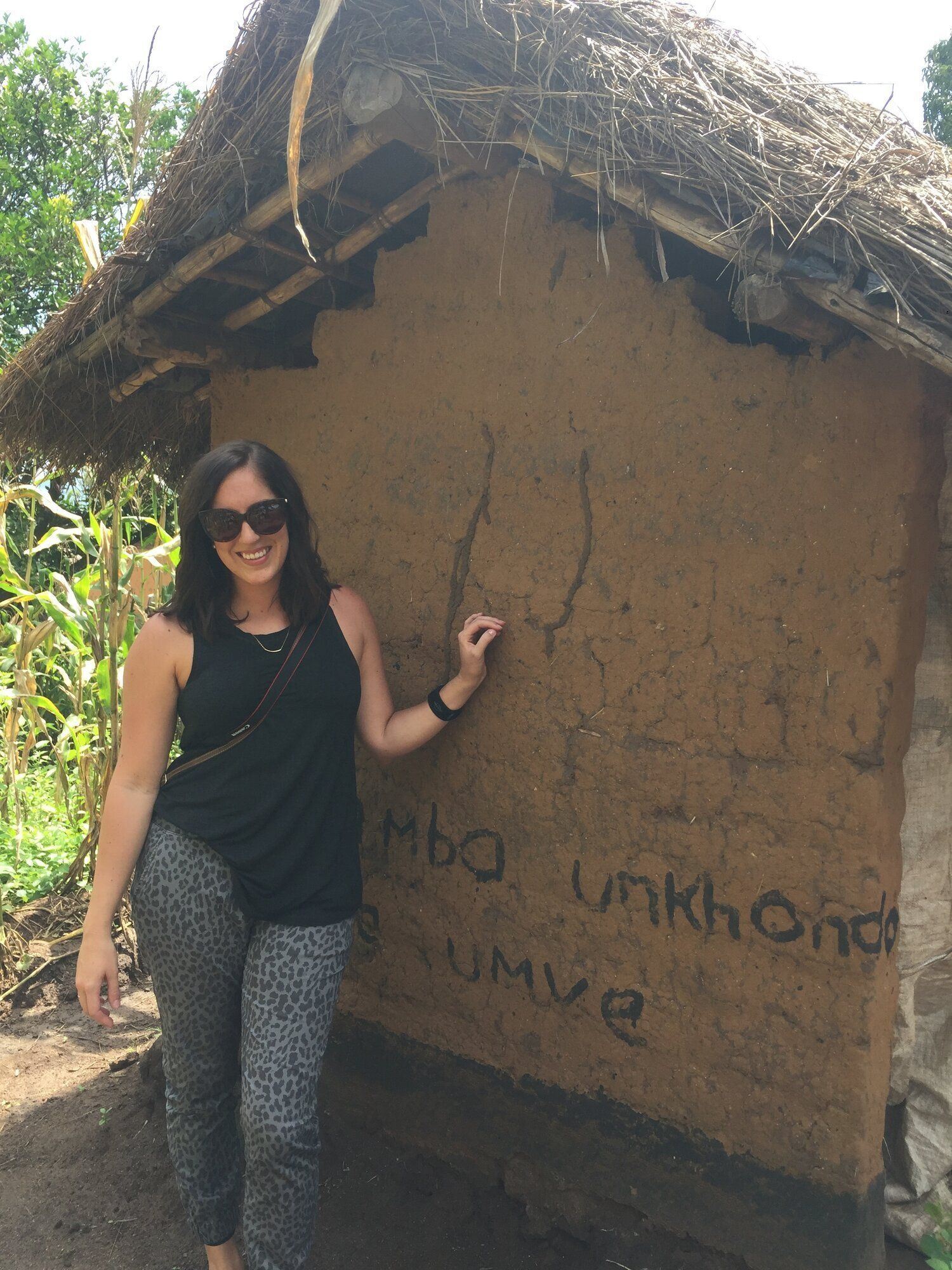
This is Majete 4 – a village that has only been with The Hunger Project for 6 months; a particularly challenging day as the conditions and stories were harsh. This lady welcomed us for a chat out front of her home. She laid a straw mat for us as ‘we should not sit in the dirt’. We thanked her and she said this was her bed and she was happy to share it with us. She works as a ‘bar maid’ at the local ‘pub’ – which is more like a rowdy circle of men drinking ‘moonshine’ all hours of the day. Through conversation, it was clear she suffered at the hands of drunk men and was trying to stay strong for the sake of her family. She was hoping to save enough to buy uniforms so her children could attend school.
Smiles for days…
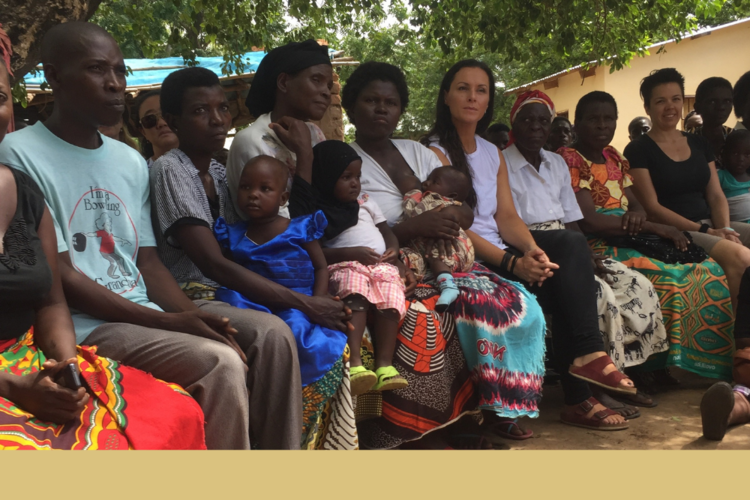
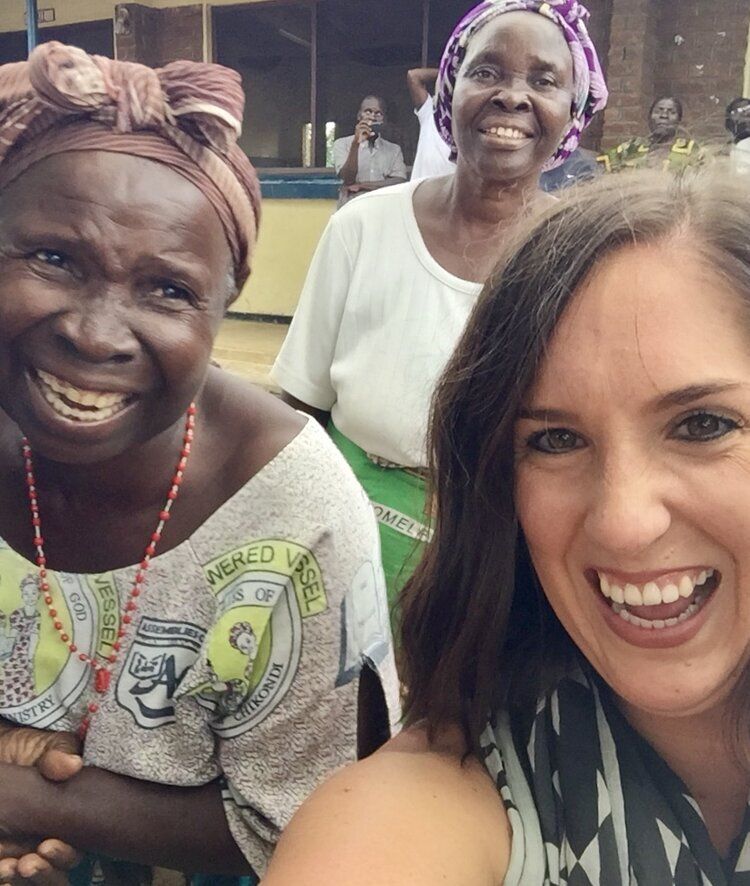
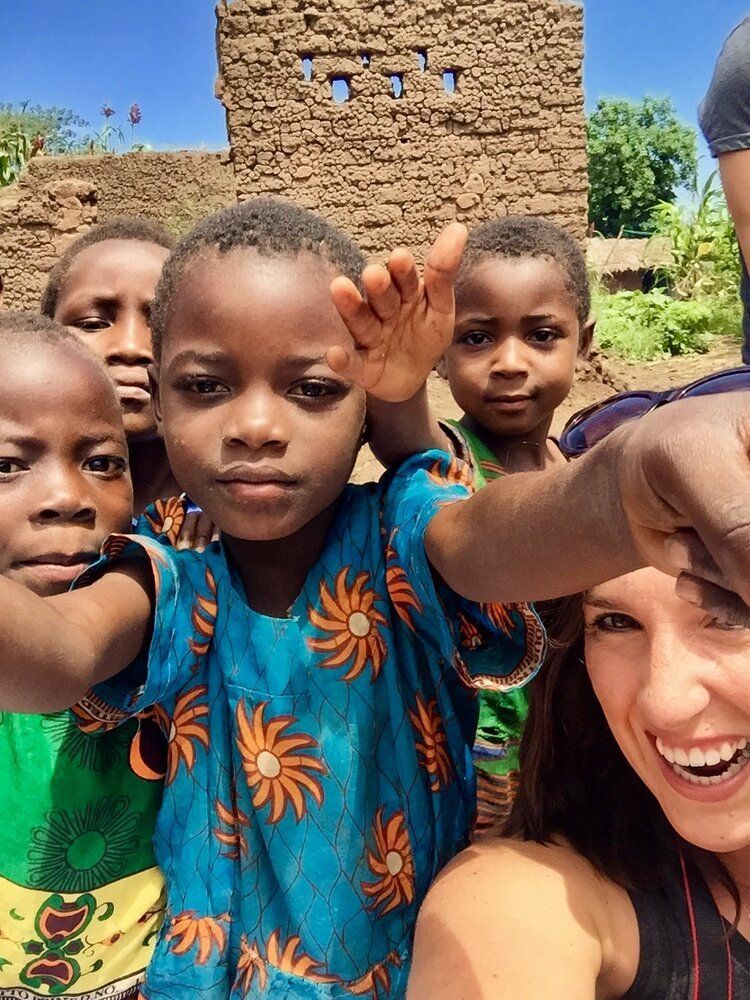
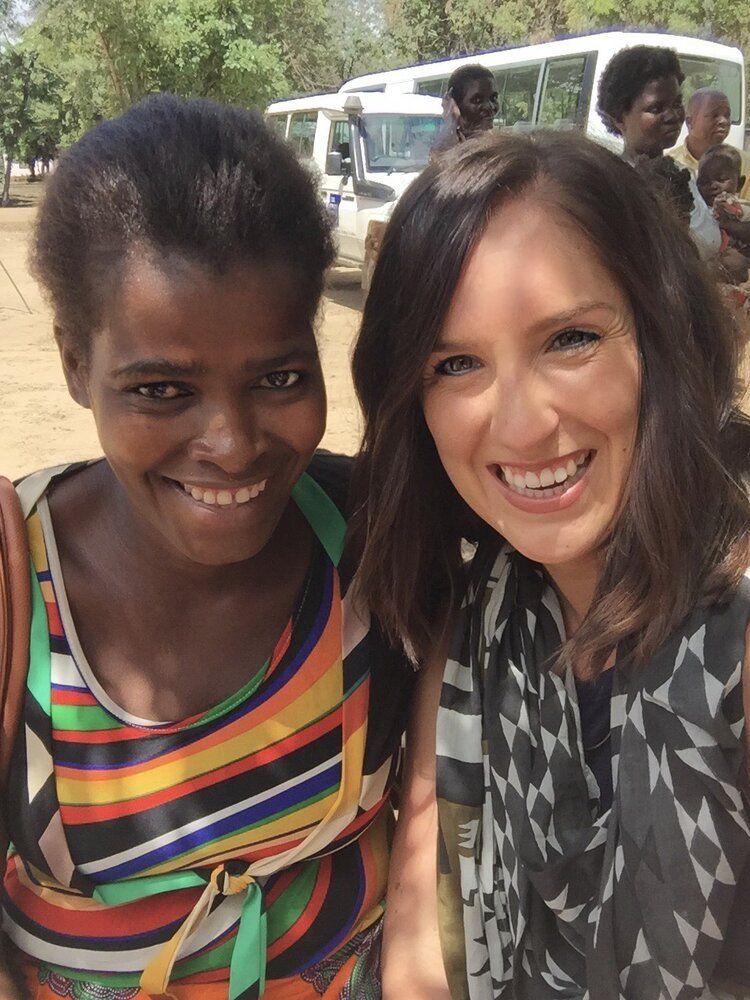
Seems they call Malawi the ‘Warm Heart of Africa’ for a very good reason. What really struck me was how happy these people are. No matter the state of their lives, the intense challenges they face daily and their struggle with chronic hunger, the love and gratitude these people exude every moment was incredibly moving. At every village we were greeted by song, dance, hugs and beautiful smiles.
Annie; An Enterprising Business Woman.
Annie was an absolute inspiration – she exuded pure strength and resilience. When we arrived to her home you could see the pride on her face; she couldn’t wait to speak with us. Annie’s village has been with The Hunger Project for 8 years and is now at self-reliance. Prior to 2008, Annie struggled to support her family and put her 7 children into school – life was very difficult and they often ate just once daily and less in the dry season. When her village joined The Hunger Project Annie took out her first microloan to start a grocery business. She used the proceeds from that business to support a second loan with which she bought fertiliser to grow healthy crops in her garden to sell. This year she expects to harvest over 75 bags of maize! She used the proceeds from her grocery business to further expand her empire with two pigs. Those two pigs have now turned into 14 pigs and she has been able to build a brick home with a tin roof; no more cave-ins or leaks! All 7 of her children are in school and flourishing. I spoke with her daughter who one-day dreams of working in an office – a dream that wouldn’t even be a concept for children in other villages. Annie has not only established stability in the diversity of her empire but she has a crystal-clear vision. Her next goal is to put an extension on her three-room home as well as get glass windows and a concrete floor. Though she has faced drought, issues with Government, health complications and many years of chronic hunger she has managed to persevere and is paving the
way for a new generation in her village. Her strength, courage and resilience will impact me forever.
Expecting Mothers Walk 32km while in Labour…
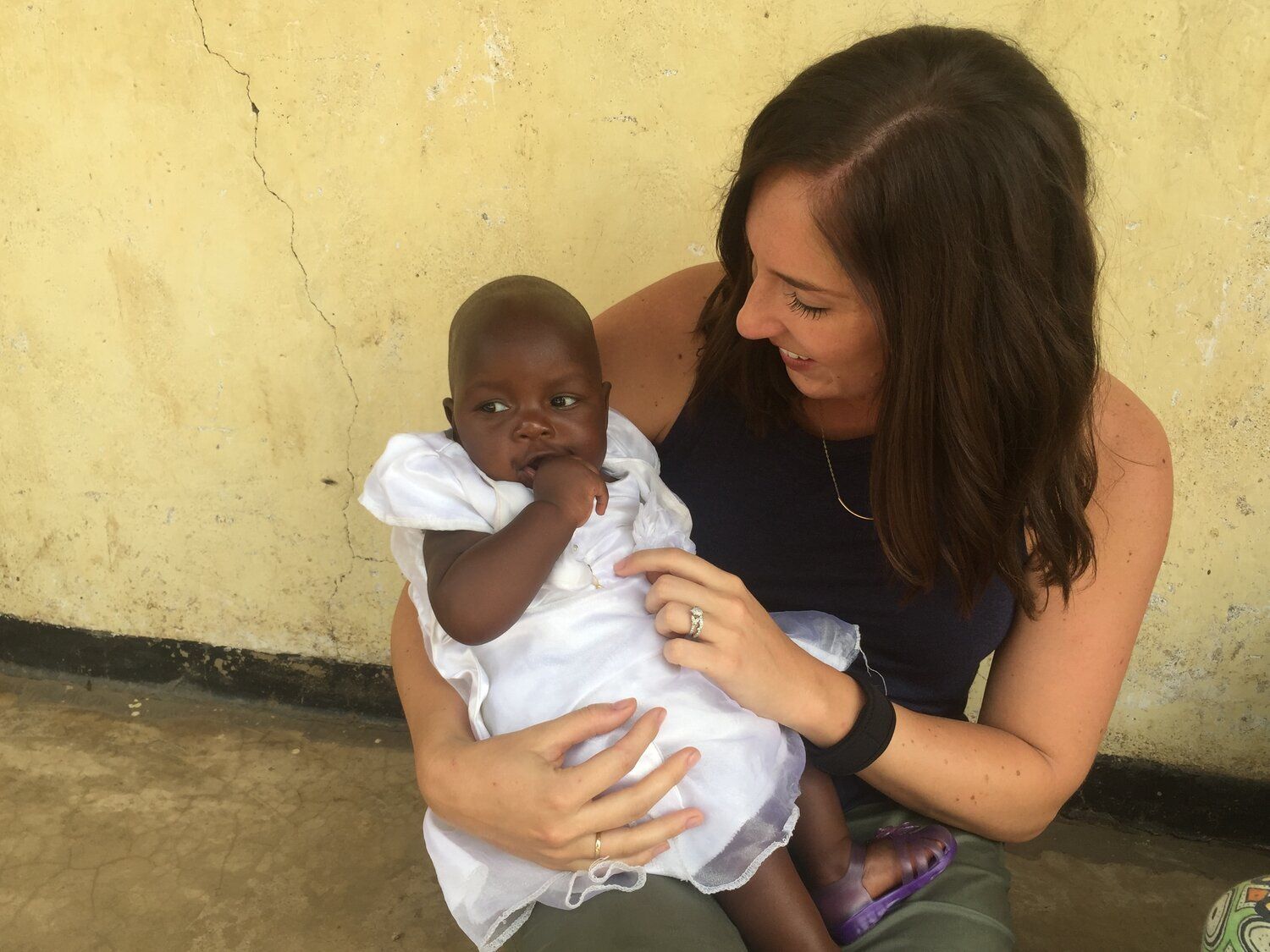
While at Nchalo we visited the medical centre. We met with the local nurse and got a glimpse of what it’s like to be treated. A dark, three-room, concrete wall building with a basic waiting room full of benches, a sink, and two ‘treatment’ rooms; neither of which were suitable for giving birth. We saw many pregnant women in the village and asked where they give birth. 240 women give birth each month in the 37,000 Nchalo community – this baby was one of them three months ago! Women in Nchalo must travel 32km to the next village to give birth. If they have their baby outside of an appropriate medical centre they are fined – a law established by the government to lower infant mortality. We learned, one of the final pieces to be implemented at Nchalo prior to achieving self-reliance was a new maternity ward with nurses quarters on-site.
Vaswinda – Living Positively with Big Dreams…
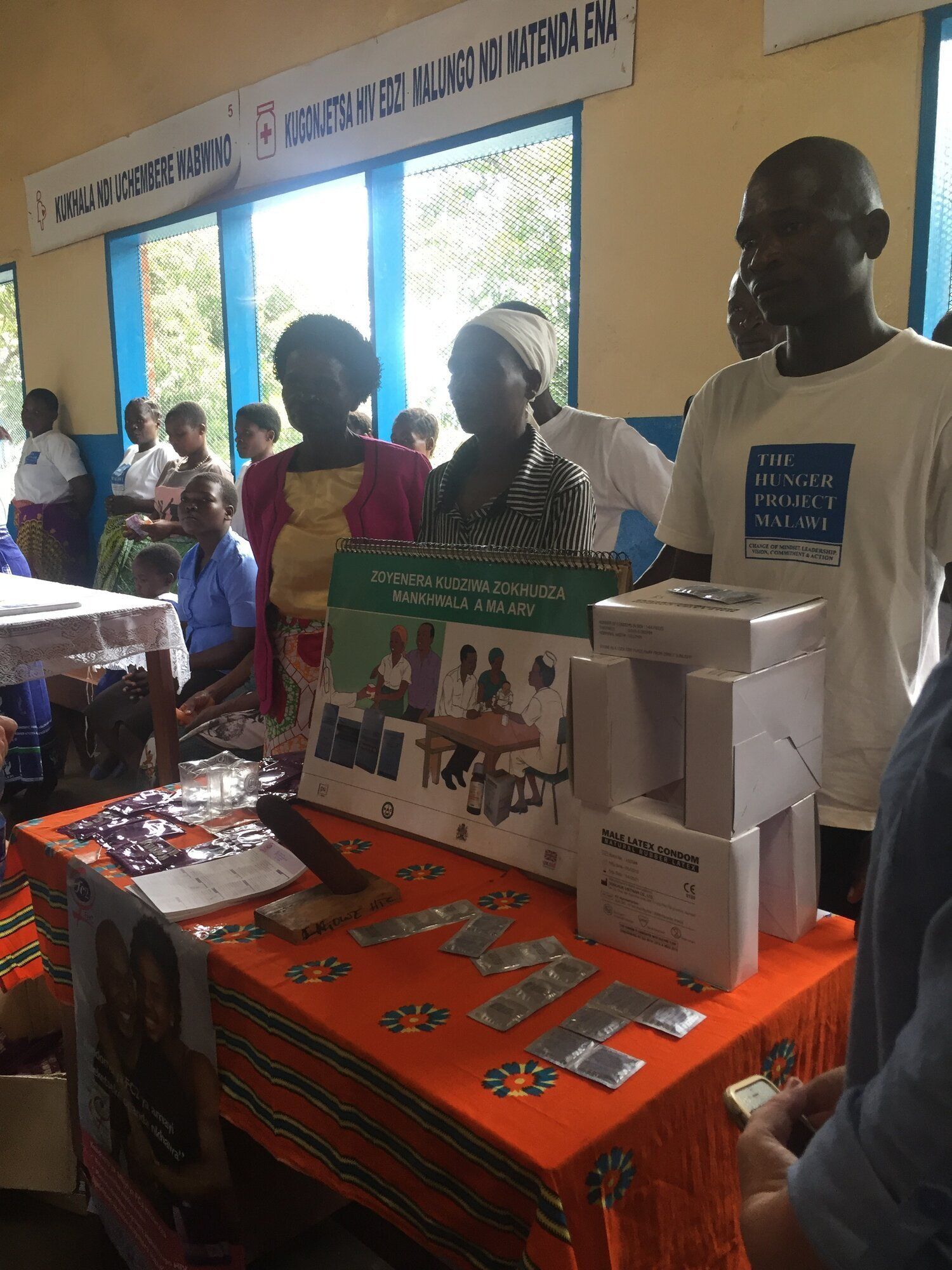
While in Africa, we learned alot about HIV/AIDS and the cultural stigma associated. I couldn’t have imagined what a complex issue chronic hunger and poverty is prior to this experience. One of the issues The Hunger Project tackles is HIV/AIDS and shifting the stigma through education, prevention and normalisation. Vaswinda is living in a supportive community however has not always had this fortune. Prior to The Hunger Project she was unaware of her condition and consistently unwell, unable to eat or feed herself. She was afraid to get tested for fear of marginalisation, abuse or even death. As a member of the Nchalo community, she now has dreams of opening a hair salon and is proudly acting as an advocate for health and sanitation for others in her community.
SEE THE (first release!) VIDEO FROM OUR TRIP
By hearing their stories and seeing their faces, I hope to have provided a bit of context as to how your support has impacted these incredible people. I cannot tell you how much gratitude I have for your support. In the end, I was able to raise over $16,000 – every dollar of which landed on the ground with The Hunger Project.
So What Now?
Since returning from this trip, all 14 of us have been deeply moved by the experience and have committed through the Human Kind Project to getting Nchalo to self-reliance.
Since May 2017, the FIRESOFT Team has been implementing an ongoing
‘business for good’
strategy into our business model. We have committed to supporting Nchalo, doing our part along and have donated $120,000 to the cause.
In 2021 Nchalo we celebrated the community of Nchalo reach self-reliance, where through programs such as education, microfinance, agriculture and health, we were able to empower them with the skills, knowledge and resources they needed to break the poverty cycle.
We now shift our efforts to support the villiage of Akode, Ghana. You can follow our efforts
here.
Other suggested reads for you