
WELCOME TO THE FIRESOFT PEOPLE BLOG
RECENT POSTS

By Shazamme System User
•
June 9, 2026
Mental Mental Health Recharge Why Taking Time to Reset Is Essential in Today’s Workplace In today’s fast-paced and always-connected world, maintaining mental well-being has become more important than ever. With constant notifications, demanding workloads, and the pressure to stay productive, it is easy for individuals to feel overwhelmed and mentally drained. Taking intentional steps to recharge is not just beneficial — it is essential for long-term performance, focus, and overall well-being. At Firesoft People, we recognise that high-performing teams are built not only on skills and experience, but also on the mental health of individuals. Creating space to reset and recharge allows professionals to return with greater clarity, energy, and resilience. Unplug from Technology One of the most effective ways to recharge mentally is by stepping away from technology. In a world where we are constantly connected to emails, messages, and social media, the mind rarely gets the opportunity to fully rest. Unplugging, even for a short period, allows the brain to slow down and recover from continuous stimulation. It creates space for deeper thinking, reflection, and mental clarity. This does not require a complete digital detox — even small breaks throughout the day can make a meaningful difference. By intentionally limiting screen time and creating boundaries with technology, individuals can reduce stress and improve their ability to focus when they return to work. Engage in Mindfulness Mindfulness practices have become increasingly important in managing stress and maintaining mental balance. Activities such as meditation, deep breathing, or yoga help bring attention back to the present moment, reducing anxiety and promoting relaxation. Incorporating mindfulness into daily routines does not have to be time-consuming. Even a few minutes of focused breathing or quiet reflection can help reset the mind. Over time, these small practices build greater emotional awareness and resilience. For professionals working in high-pressure environments, mindfulness offers a practical way to stay grounded and maintain clarity in the face of constant demands. Spend Time Outdoors Spending time in nature is one of the simplest and most effective ways to improve mental well-being. Whether it is a short walk, a hike, or simply sitting in a park, being outdoors has proven benefits for reducing stress and improving mood. Nature provides a natural break from structured environments and digital distractions. It allows the mind to reset and creates a sense of calm that is often difficult to achieve in busy work settings. Incorporating outdoor time into daily or weekly routines can significantly enhance mental clarity, creativity, and overall well-being. It is a small habit with a powerful impact. Pursue Hobbies Engaging in hobbies is another important way to recharge mentally. Activities such as reading, painting, gardening, or playing music provide a sense of enjoyment and accomplishment outside of work. Hobbies allow individuals to shift focus, reduce stress, and reconnect with personal interests. They also create opportunities for creativity and self-expression, which can be highly therapeutic. In a work environment where productivity is often prioritised, hobbies remind us of the importance of balance. They contribute to a more well-rounded and fulfilling lifestyle, which ultimately supports better performance at work. Indulge in Self-Care Self-care is often misunderstood as a luxury, but in reality, it is a necessity. Taking time to care for oneself — whether through relaxation, rest, or simple enjoyment — plays a critical role in maintaining mental health. This can include activities such as taking a long bath, enjoying a favourite meal, or creating a calming routine at home. These moments of care allow individuals to recharge emotionally and physically, helping to prevent burnout. When self-care becomes a regular practice rather than an occasional treat, it creates a stronger foundation for sustained performance and well-being. Final Thought Mental health is not something that can be addressed only when challenges arise. It requires ongoing attention and intentional effort. By unplugging from technology, practicing mindfulness, spending time outdoors, engaging in hobbies, and prioritising self-care, individuals can build habits that support long-term well-being. Because in the end, productivity is not just about working harder. It is about taking the time to recharge — so you can perform at your best when it matters most.Health Recharge

By Shazamme System User
•
June 9, 2026
Strengthening Trust in the New Era of Work Why Emotional Intelligence Is the Foundation of Modern Teams In today’s evolving workplace, trust has become one of the most valuable — and fragile — elements of team success. As work becomes more digital, distributed, and fast-paced, building strong human connections is no longer automatic. It requires intention. As highlighted in your material, trust is not built through processes or systems alone, but through everyday interactions, particularly how we acknowledge and respond to each other’s emotions. At Firesoft People, we see trust as a key driver of performance, collaboration, and retention. Organisations that prioritise emotional intelligence alongside technical capability are better positioned to build resilient, high-performing teams in the modern era. Emotional Acknowledgment: Strengthening Bonds One of the simplest yet most powerful ways to build trust is through emotional acknowledgment. Recognising how someone feels — even with a simple statement like “You seem upset” — signals that you are paying attention and that you care. This small act creates a deeper connection between colleagues. It shows that relationships are not purely transactional, but human. Over time, these moments of acknowledgment compound, strengthening bonds across teams. When individuals feel seen and understood, they are more likely to engage, collaborate, and contribute meaningfully. Importantly, emotional acknowledgment does not only impact the individual involved. It also influences how others perceive the environment. Teams that observe empathetic interactions are more likely to feel safe and supported themselves, reinforcing a culture of trust. Embracing Negative Emotions While it may feel more natural to acknowledge positive emotions, your content highlights that recognising negative emotions often has a greater impact on trust. Moments of frustration, stress, or uncertainty are when individuals need support the most. By acknowledging these emotions, leaders and colleagues demonstrate empathy and understanding. This reassures individuals that they are not alone in their experience and that their feelings are valid. It also helps prevent issues from escalating, as people feel comfortable expressing concerns early. Avoiding or dismissing negative emotions, on the other hand, can create distance and reduce trust. In contrast, embracing these moments strengthens relationships and fosters a more supportive and resilient team environment. Directly Acknowledging Emotions There is a significant difference between acknowledging a situation and acknowledging an emotion. Saying “That sounds like a tough situation” is helpful, but saying “That sounds frustrating” directly addresses how someone feels. Emotions are deeply personal, and when they are recognised directly, individuals feel validated. This validation humanises interactions and deepens trust. It shows that the focus is not just on outcomes or tasks, but on the person behind them. In high-performing teams, this level of awareness becomes a strength. It enables clearer communication, reduces misunderstandings, and builds stronger interpersonal relationships across the organisation. The Weight of Accuracy While emotional acknowledgment is powerful, it must also be accurate. Misreading or incorrectly assuming someone’s emotions can have the opposite effect, potentially damaging trust rather than building it. This highlights the importance of active listening and observation. Taking the time to understand context, tone, and behaviour allows for more precise and meaningful responses. Accuracy signals genuine care, while assumptions can come across as superficial or inattentive. In practice, this means being present in conversations and avoiding quick judgments. When done correctly, accurate emotional acknowledgment reinforces trust and credibility within teams. Thoughtful Implementation Emotional intelligence is not about applying techniques mechanically — it is about being intentional and authentic. Acknowledging emotions should never feel forced or opportunistic. Timing, context, and sincerity all play a role in how these interactions are received. When done thoughtfully, emotional acknowledgment strengthens relationships. When done poorly, it can feel insincere and reduce trust. Leaders and team members alike should approach these moments with genuine intent, focusing on understanding rather than responding. This creates more meaningful interactions and reinforces a culture of authenticity. Language Matters The way we communicate plays a critical role in building trust. Language shapes how messages are received and how comfortable individuals feel in expressing themselves. Using open-ended or less direct language can encourage others to share their thoughts and emotions more freely. For example, asking “How are you feeling about this?” instead of making assumptions allows individuals to express themselves in their own words. This approach fosters authenticity and reduces the risk of misinterpretation. It also creates space for more honest and open conversations, which are essential for building trust in any team environment. Final Thought In the new era of work, trust is no longer built through proximity or routine interactions. It is built through intentional, human-centered communication. By acknowledging emotions, embracing vulnerability, and communicating with authenticity, organisations can create stronger, more connected teams. Because in the end, trust is not built in big moments. It is built in the small, everyday interactions that show people they are seen, heard, and valued.

By Shazamme System User
•
June 9, 2026
The Screening Interview Matters More Than You Think The First Step That Shapes Hiring Outcomes In today’s hiring landscape, the screening interview is often seen as a routine step — a quick filter before the “real” interviews begin. This stage plays a far more critical role than many organisations realise. It is not just an administrative checkpoint; it is the first real opportunity to assess alignment, capability, and potential. At Firesoft People, we see the screening interview as a foundational stage that sets the tone for the entire hiring process. When done effectively, it saves time, improves candidate quality, and creates a stronger overall experience for both hiring teams and candidates. Beyond Basic Qualification Traditionally, screening interviews have focused on verifying basic qualifications — confirming experience, checking availability, and validating key details on a CV. While these are still important, they no longer provide enough insight to make confident hiring decisions. Today, screening needs to go deeper. It is about understanding how a candidate thinks, communicates, and positions their experience. Candidates are expected to clearly articulate their background, explain their achievements, and demonstrate how their skills align with the role. Questions like “Tell me about yourself” or “Why are you interested in this role?” are no longer simple prompts — they are opportunities to evaluate clarity, confidence, and intent. This shift means that screening interviews are not just about filtering candidates out, but about identifying those who can effectively communicate their value and contribute to the organisation. A Two-Way Evaluation One of the most overlooked aspects of screening interviews is that they are not one-sided. While companies assess candidates, candidates are also assessing companies. First impressions matter. The way a screening interview is conducted — the professionalism, clarity, and engagement of the interviewer — can significantly influence a candidate’s perception of the organisation. A well-structured and thoughtful screening process signals that a company values its people and takes hiring seriously. In competitive markets, where top talent often has multiple options, this first interaction can be a deciding factor. Organisations that treat screening interviews as meaningful conversations, rather than quick checklists, are more likely to attract and retain high-quality candidates. Identifying Alignment Early One of the key benefits of a strong screening interview is the ability to identify alignment early in the process. This includes alignment in expectations, role scope, company culture, and career goals. Misalignment is one of the biggest causes of failed hires. Candidates may have the right skills but different expectations around salary, flexibility, or growth opportunities. By addressing these factors early, organisations can avoid investing time in candidates who are unlikely to proceed. At the same time, candidates gain clarity on whether the role and company are the right fit for them. This creates a more efficient hiring process, where both sides move forward with confidence and shared understanding. Improving Efficiency Without Losing Quality In fast-paced hiring environments, there is often pressure to move quickly. Screening interviews provide an opportunity to balance speed with quality. By asking the right questions and focusing on key areas of assessment, recruiters and hiring managers can quickly identify strong candidates while filtering out those who are not aligned. This reduces the number of unnecessary interviews and allows teams to focus their time on high-potential candidates. However, efficiency should not come at the expense of depth. A rushed or superficial screening process can lead to missed insights and poor hiring decisions. The goal is to be both efficient and thorough — ensuring that every screening interview adds real value to the process. Setting the Foundation for Success Ultimately, the screening interview is more than just the first step in hiring — it is the foundation upon which the rest of the process is built. A strong screening stage leads to better shortlists, more focused interviews, and higher-quality hires. It also creates a positive experience for candidates, reinforcing the organisation’s brand and reputation. Final Thought Hiring success is rarely determined by a single decision. It is shaped by every step in the process — and the screening interview is one of the most important. When done right, it provides clarity, builds alignment, and sets the stage for better decisions. Because in the end, the strongest hires don’t start at the final interview. They start at the very first conversation. For companies, this means treating screening interviews as a strategic priority rather than a routine task. Investing time and effort into this stage can significantly improve hiring outcomes and reduce long-term risks.

By Shazamme System User
•
June 9, 2026
How to Succeed in Digital Marketing A Practical Framework for Modern Growth Digital marketing today is more complex than ever. With constantly evolving platforms, changing algorithms, and increasing competition, success is no longer about simply being present online — it is about being strategic, intentional, and adaptable. As outlined in your material, achieving consistent results requires more than tactics; it requires a structured approach that aligns goals, execution, and measurement. Organisations that succeed in digital marketing are not necessarily those that spend the most, but those that build a clear and repeatable system for growth. This starts with understanding that digital marketing is not a one-off activity — it is an ongoing process of testing, learning, and refining. Create a Realistic Framework Success in digital marketing begins with building a realistic and achievable framework. Many businesses fail not because of poor execution, but because their expectations are misaligned with reality. Without a clear structure, marketing efforts can quickly become fragmented, reactive, and inconsistent. A strong framework defines your target audience, channels, messaging, and timelines. It sets clear priorities and ensures that every activity contributes to a larger goal. Importantly, it also accounts for the time it takes to see results. Digital marketing is rarely instant — it requires consistency, iteration, and patience. By establishing a realistic foundation, organisations can avoid chasing short-term wins and instead focus on building sustainable growth over time. Identify Appropriate KPIs at the Outset One of the most critical aspects of digital marketing success is measurement. Without clearly defined key performance indicators (KPIs), it becomes difficult to understand what is working and what needs to be improved. The right KPIs depend on your objectives. For some organisations, this may be lead generation or conversions, while for others it may be brand awareness, engagement, or traffic. The key is to align your KPIs with business outcomes, not just vanity metrics. Setting KPIs early in the process ensures that all marketing activities are guided by measurable goals. It also allows teams to make data-driven decisions, optimise performance, and demonstrate the impact of their efforts over time. Know How to Build an Effective Funnel An effective digital marketing strategy is built on a well-designed funnel. This funnel represents the journey a customer takes from initial awareness to final conversion — and beyond. Understanding this journey is essential. Different stages of the funnel require different types of content, messaging, and engagement. For example, top-of-funnel efforts may focus on education and awareness, while bottom-of-funnel strategies are more conversion-driven. Without a clear funnel, marketing efforts can become disconnected, leading to missed opportunities and lower conversion rates. By designing a structured funnel, organisations can guide potential customers through each stage, improving both engagement and results. Understand What Makes Effective Content Content remains at the core of digital marketing, but not all content delivers results. Effective content is not just about volume — it is about relevance, clarity, and value. To create impactful content, organisations need to understand their audience deeply. What are their challenges? What information are they looking for? What type of content resonates with them? Answering these questions allows businesses to produce content that genuinely engages and influences decision-making. Consistency is also key. High-quality, relevant content builds trust over time, positioning your brand as a credible and valuable source of information. In a crowded digital landscape, this trust is what differentiates successful brands from the rest. Plan Strategically, But Stay Flexible While planning is essential, digital marketing also requires flexibility. Markets change, trends evolve, and new opportunities emerge constantly. A rigid plan can quickly become outdated. Successful organisations strike a balance between structure and adaptability. They set clear strategies but remain open to adjusting their approach based on performance data and market conditions. This allows them to respond quickly to changes while staying aligned with their overall objectives. Flexibility is not about abandoning strategy — it is about refining it. Continuous optimisation ensures that marketing efforts remain effective and relevant over time. Create a Library of Evergreen Content One of the most effective ways to build long-term success in digital marketing is by developing a library of evergreen content. Unlike time-sensitive content, evergreen content remains relevant and valuable over an extended period. This type of content continues to generate traffic, engagement, and leads long after it is published. It also serves as a foundation for your overall content strategy, allowing you to repurpose and build upon existing assets. By investing in evergreen content, organisations can create a sustainable source of value that supports ongoing marketing efforts and reduces reliance on constant content creation. Visualise a Clear Direction Finally, success in digital marketing requires a clear vision of where you are heading. Without a defined direction, it becomes difficult to align efforts, measure progress, and maintain consistency. Visualising your goals helps guide decision-making and ensures that all marketing activities contribute to a cohesive strategy. It also provides a sense of purpose and direction for teams, enabling them to work more effectively toward shared objectives. A clear direction does not mean having all the answers from the start. It means having a strong sense of intent and continuously refining your path based on insights and results. Final Thought Digital marketing success is not achieved through isolated tactics or quick wins. It is built through a combination of structure, strategy, and adaptability. By creating a realistic framework, defining meaningful KPIs, building effective funnels, producing valuable content, and maintaining flexibility, organisations can position themselves for long-term growth. Because in the end, digital marketing is not just about reaching more people. It is about reaching the right people — in the right way — at the right time.
By Shazamme System User
•
June 9, 2026
Mental Mental Health Recharge Why Taking Time to Reset Is Essential in Today’s Workplace In today’s fast-paced and always-connected world, maintaining mental well-being has become more important than ever. With constant notifications, demanding workloads, and the pressure to stay productive, it is easy for individuals to feel overwhelmed and mentally drained. Taking intentional steps to recharge is not just beneficial — it is essential for long-term performance, focus, and overall well-being. At Firesoft People, we recognise that high-performing teams are built not only on skills and experience, but also on the mental health of individuals. Creating space to reset and recharge allows professionals to return with greater clarity, energy, and resilience. Unplug from Technology One of the most effective ways to recharge mentally is by stepping away from technology. In a world where we are constantly connected to emails, messages, and social media, the mind rarely gets the opportunity to fully rest. Unplugging, even for a short period, allows the brain to slow down and recover from continuous stimulation. It creates space for deeper thinking, reflection, and mental clarity. This does not require a complete digital detox — even small breaks throughout the day can make a meaningful difference. By intentionally limiting screen time and creating boundaries with technology, individuals can reduce stress and improve their ability to focus when they return to work. Engage in Mindfulness Mindfulness practices have become increasingly important in managing stress and maintaining mental balance. Activities such as meditation, deep breathing, or yoga help bring attention back to the present moment, reducing anxiety and promoting relaxation. Incorporating mindfulness into daily routines does not have to be time-consuming. Even a few minutes of focused breathing or quiet reflection can help reset the mind. Over time, these small practices build greater emotional awareness and resilience. For professionals working in high-pressure environments, mindfulness offers a practical way to stay grounded and maintain clarity in the face of constant demands. Spend Time Outdoors Spending time in nature is one of the simplest and most effective ways to improve mental well-being. Whether it is a short walk, a hike, or simply sitting in a park, being outdoors has proven benefits for reducing stress and improving mood. Nature provides a natural break from structured environments and digital distractions. It allows the mind to reset and creates a sense of calm that is often difficult to achieve in busy work settings. Incorporating outdoor time into daily or weekly routines can significantly enhance mental clarity, creativity, and overall well-being. It is a small habit with a powerful impact. Pursue Hobbies Engaging in hobbies is another important way to recharge mentally. Activities such as reading, painting, gardening, or playing music provide a sense of enjoyment and accomplishment outside of work. Hobbies allow individuals to shift focus, reduce stress, and reconnect with personal interests. They also create opportunities for creativity and self-expression, which can be highly therapeutic. In a work environment where productivity is often prioritised, hobbies remind us of the importance of balance. They contribute to a more well-rounded and fulfilling lifestyle, which ultimately supports better performance at work. Indulge in Self-Care Self-care is often misunderstood as a luxury, but in reality, it is a necessity. Taking time to care for oneself — whether through relaxation, rest, or simple enjoyment — plays a critical role in maintaining mental health. This can include activities such as taking a long bath, enjoying a favourite meal, or creating a calming routine at home. These moments of care allow individuals to recharge emotionally and physically, helping to prevent burnout. When self-care becomes a regular practice rather than an occasional treat, it creates a stronger foundation for sustained performance and well-being. Final Thought Mental health is not something that can be addressed only when challenges arise. It requires ongoing attention and intentional effort. By unplugging from technology, practicing mindfulness, spending time outdoors, engaging in hobbies, and prioritising self-care, individuals can build habits that support long-term well-being. Because in the end, productivity is not just about working harder. It is about taking the time to recharge — so you can perform at your best when it matters most.Health Recharge
By Shazamme System User
•
June 9, 2026
Strengthening Trust in the New Era of Work Why Emotional Intelligence Is the Foundation of Modern Teams In today’s evolving workplace, trust has become one of the most valuable — and fragile — elements of team success. As work becomes more digital, distributed, and fast-paced, building strong human connections is no longer automatic. It requires intention. As highlighted in your material, trust is not built through processes or systems alone, but through everyday interactions, particularly how we acknowledge and respond to each other’s emotions. At Firesoft People, we see trust as a key driver of performance, collaboration, and retention. Organisations that prioritise emotional intelligence alongside technical capability are better positioned to build resilient, high-performing teams in the modern era. Emotional Acknowledgment: Strengthening Bonds One of the simplest yet most powerful ways to build trust is through emotional acknowledgment. Recognising how someone feels — even with a simple statement like “You seem upset” — signals that you are paying attention and that you care. This small act creates a deeper connection between colleagues. It shows that relationships are not purely transactional, but human. Over time, these moments of acknowledgment compound, strengthening bonds across teams. When individuals feel seen and understood, they are more likely to engage, collaborate, and contribute meaningfully. Importantly, emotional acknowledgment does not only impact the individual involved. It also influences how others perceive the environment. Teams that observe empathetic interactions are more likely to feel safe and supported themselves, reinforcing a culture of trust. Embracing Negative Emotions While it may feel more natural to acknowledge positive emotions, your content highlights that recognising negative emotions often has a greater impact on trust. Moments of frustration, stress, or uncertainty are when individuals need support the most. By acknowledging these emotions, leaders and colleagues demonstrate empathy and understanding. This reassures individuals that they are not alone in their experience and that their feelings are valid. It also helps prevent issues from escalating, as people feel comfortable expressing concerns early. Avoiding or dismissing negative emotions, on the other hand, can create distance and reduce trust. In contrast, embracing these moments strengthens relationships and fosters a more supportive and resilient team environment. Directly Acknowledging Emotions There is a significant difference between acknowledging a situation and acknowledging an emotion. Saying “That sounds like a tough situation” is helpful, but saying “That sounds frustrating” directly addresses how someone feels. Emotions are deeply personal, and when they are recognised directly, individuals feel validated. This validation humanises interactions and deepens trust. It shows that the focus is not just on outcomes or tasks, but on the person behind them. In high-performing teams, this level of awareness becomes a strength. It enables clearer communication, reduces misunderstandings, and builds stronger interpersonal relationships across the organisation. The Weight of Accuracy While emotional acknowledgment is powerful, it must also be accurate. Misreading or incorrectly assuming someone’s emotions can have the opposite effect, potentially damaging trust rather than building it. This highlights the importance of active listening and observation. Taking the time to understand context, tone, and behaviour allows for more precise and meaningful responses. Accuracy signals genuine care, while assumptions can come across as superficial or inattentive. In practice, this means being present in conversations and avoiding quick judgments. When done correctly, accurate emotional acknowledgment reinforces trust and credibility within teams. Thoughtful Implementation Emotional intelligence is not about applying techniques mechanically — it is about being intentional and authentic. Acknowledging emotions should never feel forced or opportunistic. Timing, context, and sincerity all play a role in how these interactions are received. When done thoughtfully, emotional acknowledgment strengthens relationships. When done poorly, it can feel insincere and reduce trust. Leaders and team members alike should approach these moments with genuine intent, focusing on understanding rather than responding. This creates more meaningful interactions and reinforces a culture of authenticity. Language Matters The way we communicate plays a critical role in building trust. Language shapes how messages are received and how comfortable individuals feel in expressing themselves. Using open-ended or less direct language can encourage others to share their thoughts and emotions more freely. For example, asking “How are you feeling about this?” instead of making assumptions allows individuals to express themselves in their own words. This approach fosters authenticity and reduces the risk of misinterpretation. It also creates space for more honest and open conversations, which are essential for building trust in any team environment. Final Thought In the new era of work, trust is no longer built through proximity or routine interactions. It is built through intentional, human-centered communication. By acknowledging emotions, embracing vulnerability, and communicating with authenticity, organisations can create stronger, more connected teams. Because in the end, trust is not built in big moments. It is built in the small, everyday interactions that show people they are seen, heard, and valued.
By Shazamme System User
•
June 9, 2026
The Screening Interview Matters More Than You Think The First Step That Shapes Hiring Outcomes In today’s hiring landscape, the screening interview is often seen as a routine step — a quick filter before the “real” interviews begin. This stage plays a far more critical role than many organisations realise. It is not just an administrative checkpoint; it is the first real opportunity to assess alignment, capability, and potential. At Firesoft People, we see the screening interview as a foundational stage that sets the tone for the entire hiring process. When done effectively, it saves time, improves candidate quality, and creates a stronger overall experience for both hiring teams and candidates. Beyond Basic Qualification Traditionally, screening interviews have focused on verifying basic qualifications — confirming experience, checking availability, and validating key details on a CV. While these are still important, they no longer provide enough insight to make confident hiring decisions. Today, screening needs to go deeper. It is about understanding how a candidate thinks, communicates, and positions their experience. Candidates are expected to clearly articulate their background, explain their achievements, and demonstrate how their skills align with the role. Questions like “Tell me about yourself” or “Why are you interested in this role?” are no longer simple prompts — they are opportunities to evaluate clarity, confidence, and intent. This shift means that screening interviews are not just about filtering candidates out, but about identifying those who can effectively communicate their value and contribute to the organisation. A Two-Way Evaluation One of the most overlooked aspects of screening interviews is that they are not one-sided. While companies assess candidates, candidates are also assessing companies. First impressions matter. The way a screening interview is conducted — the professionalism, clarity, and engagement of the interviewer — can significantly influence a candidate’s perception of the organisation. A well-structured and thoughtful screening process signals that a company values its people and takes hiring seriously. In competitive markets, where top talent often has multiple options, this first interaction can be a deciding factor. Organisations that treat screening interviews as meaningful conversations, rather than quick checklists, are more likely to attract and retain high-quality candidates. Identifying Alignment Early One of the key benefits of a strong screening interview is the ability to identify alignment early in the process. This includes alignment in expectations, role scope, company culture, and career goals. Misalignment is one of the biggest causes of failed hires. Candidates may have the right skills but different expectations around salary, flexibility, or growth opportunities. By addressing these factors early, organisations can avoid investing time in candidates who are unlikely to proceed. At the same time, candidates gain clarity on whether the role and company are the right fit for them. This creates a more efficient hiring process, where both sides move forward with confidence and shared understanding. Improving Efficiency Without Losing Quality In fast-paced hiring environments, there is often pressure to move quickly. Screening interviews provide an opportunity to balance speed with quality. By asking the right questions and focusing on key areas of assessment, recruiters and hiring managers can quickly identify strong candidates while filtering out those who are not aligned. This reduces the number of unnecessary interviews and allows teams to focus their time on high-potential candidates. However, efficiency should not come at the expense of depth. A rushed or superficial screening process can lead to missed insights and poor hiring decisions. The goal is to be both efficient and thorough — ensuring that every screening interview adds real value to the process. Setting the Foundation for Success Ultimately, the screening interview is more than just the first step in hiring — it is the foundation upon which the rest of the process is built. A strong screening stage leads to better shortlists, more focused interviews, and higher-quality hires. It also creates a positive experience for candidates, reinforcing the organisation’s brand and reputation. Final Thought Hiring success is rarely determined by a single decision. It is shaped by every step in the process — and the screening interview is one of the most important. When done right, it provides clarity, builds alignment, and sets the stage for better decisions. Because in the end, the strongest hires don’t start at the final interview. They start at the very first conversation. For companies, this means treating screening interviews as a strategic priority rather than a routine task. Investing time and effort into this stage can significantly improve hiring outcomes and reduce long-term risks.
RECRUITMENT TIPS FOR CANDIDATES

By Default Author
•
March 19, 2022
You’ve got an interview? Great! We’re sure you’ve got your answers to the interviewers’ questions sorted but have you thought about what questions you will ask? As things start to wind up in your interview and you’re asked if you have any questions, don’t say no! Asking the right kinds of questions not only shows that you’re genuinely interested in a role but it’s also an opportunity for you to get more of an idea of what it would be like working in it. Have some well thought out questions prepared, here are some ideas: What do you enjoy most about working here? What are some of the challenges a new recruit faces in this role? What are the immediate priorities in this position? What are the characteristics of someone who would succeed in this role? How is performance and outcome measured in this job? Why has this position become available? What does the career path for someone in this role look like? Can you share more about the day-to-day responsibilities of this role? Can you talk a little about the company culture? What is is that you are looking for that could be the determining factor in making an offer? Asking great questions will help you determine if the job is right for you and help the interviewer confirm that you are the right fit for the job. Good luck! Still looking for the right opportunity? See our job listings here.

By Default Author
•
March 19, 2022
Thanks to SEEK we bring to you the top 5 skills that employers want now! 1. Resilience - Resilience might seem like an intangible quality, but being able to identify and talk about your capacity to recover from situations and adapt is very valuable. 2. Productive - Hiring managers are looking for employees who can be productive in an environment without necessarily having a blueprint, road map or written process to follow. 3. Agility - The pandemic showed us that the world can change dramatically and very quickly. When employers brought in different strategies to ensure their businesses were sustainable, they needed adaptable and agile employees. 4. Proactivity - Hiring managers are looking for employees who are proactive and have taken initiative in learning new skills or seeking out new opportunities. As it turns out, 42% of Australians learned new skills in 2020 that they wouldn’t have if it wasn’t for COVID-19. 5. Emotional Intelligence - Having the ability to understand, manage and express your emotions is another key skill. In turbulent times, it’s crucial that companies have employees who can respond appropriately to the emotions of others – whether it’s their manager, colleagues, clients or customers.
By Default Author
•
March 19, 2022
The LinkedIn profile page is the foundation for your personal branding. Linkedin constantly evolving to add features that increase its capabilities as a personal marketing platform and give you new ways to signal your skills and motivations. If you haven’t checked your profile page recently, you may find new ways to build your personal brand. Here are 10 profile features you should check and update ASAP. Some of them are very quick wins, some of them may take a little bit of time – but all of them are very worthwhile. They will help to give you the LinkedIn profile and personal brand that you deserve. 1. Update Profile Picture & Background Photo - Your pictures are the visual elements of your profile page, they grab people’s attention, set the context and show a little more about you. The right photos help your page stand out, engage attention and stay memorable. 2. Make Your Headline More Than a Title - There’s no rule that says the description at the top of your profile page has to be just a job title. Use the headline field to say a bit more about how you see your role, why you do what you do, and what makes you tick. 3. Make Your Summary Your Story - Your summary is your chance to tell your own story – don’t just use it to list your skills or the job titles you’ve had. Try to bring to life why those skills matter – and the difference they can make to the people you work with. Don’t be afraid to invest some time, try a few drafts, and run your summary past people you know. This is your most personal piece of content marketing – and it’s worth the effort. 4. Grow Your Network - Synch your profile with your email address book. This enables LinkedIn to suggest people you could connect with. Beyond this, get into the habit of following up meetings and conversations with LinkedIn connection requests – it’s a great way of keeping your network vibrant and up to date. 5. Spread The Endorsement Love - Endorsements from other members substantiate your skills and increase your credibility. How do you get endorsed on LinkedIn? For starters, go through your network and identify connections who you feel genuinely deserve an endorsement from you – that’s often the trigger for people to return the favour. 6. Engage with your audience - Stay active on the platform and take the time to become part of the conversation with your network. You will often find if you engage with your network it will be reciprocated when you start your own conversations. The Linkedin algorithm is very clever at connecting the right audiences! 7. Take a skills assessment - A skills assessment is an online test that enables you to demonstrate the level of your skills, and display a Verified Skills badge on your profile. Data shows that candidates with verified skills are around 30% more likely to be hired for the roles they apply for – and displaying proof of your abilities strengthens your personal brand more generally as well. 8. Share media and marketing collateral - The marketing collateral that you produce for your business can add an extra dimension to your own profile as well. Sharing case studies, white papers and other brand content helps to show what the business you work for is all about – and helps people understand what makes you tick. It demonstrates passion and commitment as well. Don’t forget to add a comment to the share as well! 9. Share relevant content from your LinkedIn feed - Appear in your connections’ LinkedIn feeds in a way that adds value for them. Sharing relevant content with your network is one of the most accessible ways of doing this. You can make a start by keeping a close eye on your LinkedIn feed, and sharing content that you find genuinely interesting – and that aligns with your point of view. Use your content as a conversation starter! 10. Follow relevant influencers for your industry - Following relevant influencers on LinkedIn helps to put a range of interesting content in your feed, which you can then share with others when you think it adds value. It also helps to give context to your LinkedIn profile, demonstrating your passion for what you do. Getting your LinkedIn profile working harder for you doesn’t have to take up hours of your time. Try working through these ideas, building from one to the other – and you’ll find that you can make progress quickly, even if you’re just able to set aside a few minutes over a lunch break or in the evenings. Once you're flexing the full advantages of your LinkedIn profile you’ll be amazed what a difference it can make to both you and your business. Reference - Linkedin Sales Blog - 20 steps to a better LinkedIn profile in 2021.

By Default Author
•
March 19, 2022
2022 is here with 365 days for new beginnings, opportunities, and goals to kick. Here are 5 ways to prepare for the new year: 1. Review your year - It is important to reflect upon the last year before planning the next. By doing this, you will see what worked and what didn’t. 2. Make a plan/vision board - Once you have done your reflection, it’s time to put that into action. 3. Set new goals - A tip is to focus on one primary goal and then break it down to smaller quarterly goals to make it easier to achieve without losing track. 4. Create new habits - From the moment you wake up until you fall asleep, you are running on routine and habits. Including healthy habits in your lifestyle is essential to succeed with your future plans and goals. 5. Remember that change is a process - It may take longer than you would like to achieve your goals, but be patient and hang in there. We believe in you! Here’s to an amazing 2022!
By Default Author
•
March 19, 2022
You’ve got an interview? Great! We’re sure you’ve got your answers to the interviewers’ questions sorted but have you thought about what questions you will ask? As things start to wind up in your interview and you’re asked if you have any questions, don’t say no! Asking the right kinds of questions not only shows that you’re genuinely interested in a role but it’s also an opportunity for you to get more of an idea of what it would be like working in it. Have some well thought out questions prepared, here are some ideas: What do you enjoy most about working here? What are some of the challenges a new recruit faces in this role? What are the immediate priorities in this position? What are the characteristics of someone who would succeed in this role? How is performance and outcome measured in this job? Why has this position become available? What does the career path for someone in this role look like? Can you share more about the day-to-day responsibilities of this role? Can you talk a little about the company culture? What is is that you are looking for that could be the determining factor in making an offer? Asking great questions will help you determine if the job is right for you and help the interviewer confirm that you are the right fit for the job. Good luck! Still looking for the right opportunity? See our job listings here.
By Default Author
•
March 19, 2022
Thanks to SEEK we bring to you the top 5 skills that employers want now! 1. Resilience - Resilience might seem like an intangible quality, but being able to identify and talk about your capacity to recover from situations and adapt is very valuable. 2. Productive - Hiring managers are looking for employees who can be productive in an environment without necessarily having a blueprint, road map or written process to follow. 3. Agility - The pandemic showed us that the world can change dramatically and very quickly. When employers brought in different strategies to ensure their businesses were sustainable, they needed adaptable and agile employees. 4. Proactivity - Hiring managers are looking for employees who are proactive and have taken initiative in learning new skills or seeking out new opportunities. As it turns out, 42% of Australians learned new skills in 2020 that they wouldn’t have if it wasn’t for COVID-19. 5. Emotional Intelligence - Having the ability to understand, manage and express your emotions is another key skill. In turbulent times, it’s crucial that companies have employees who can respond appropriately to the emotions of others – whether it’s their manager, colleagues, clients or customers.
By Default Author
•
March 19, 2022
The LinkedIn profile page is the foundation for your personal branding. Linkedin constantly evolving to add features that increase its capabilities as a personal marketing platform and give you new ways to signal your skills and motivations. If you haven’t checked your profile page recently, you may find new ways to build your personal brand. Here are 10 profile features you should check and update ASAP. Some of them are very quick wins, some of them may take a little bit of time – but all of them are very worthwhile. They will help to give you the LinkedIn profile and personal brand that you deserve. 1. Update Profile Picture & Background Photo - Your pictures are the visual elements of your profile page, they grab people’s attention, set the context and show a little more about you. The right photos help your page stand out, engage attention and stay memorable. 2. Make Your Headline More Than a Title - There’s no rule that says the description at the top of your profile page has to be just a job title. Use the headline field to say a bit more about how you see your role, why you do what you do, and what makes you tick. 3. Make Your Summary Your Story - Your summary is your chance to tell your own story – don’t just use it to list your skills or the job titles you’ve had. Try to bring to life why those skills matter – and the difference they can make to the people you work with. Don’t be afraid to invest some time, try a few drafts, and run your summary past people you know. This is your most personal piece of content marketing – and it’s worth the effort. 4. Grow Your Network - Synch your profile with your email address book. This enables LinkedIn to suggest people you could connect with. Beyond this, get into the habit of following up meetings and conversations with LinkedIn connection requests – it’s a great way of keeping your network vibrant and up to date. 5. Spread The Endorsement Love - Endorsements from other members substantiate your skills and increase your credibility. How do you get endorsed on LinkedIn? For starters, go through your network and identify connections who you feel genuinely deserve an endorsement from you – that’s often the trigger for people to return the favour. 6. Engage with your audience - Stay active on the platform and take the time to become part of the conversation with your network. You will often find if you engage with your network it will be reciprocated when you start your own conversations. The Linkedin algorithm is very clever at connecting the right audiences! 7. Take a skills assessment - A skills assessment is an online test that enables you to demonstrate the level of your skills, and display a Verified Skills badge on your profile. Data shows that candidates with verified skills are around 30% more likely to be hired for the roles they apply for – and displaying proof of your abilities strengthens your personal brand more generally as well. 8. Share media and marketing collateral - The marketing collateral that you produce for your business can add an extra dimension to your own profile as well. Sharing case studies, white papers and other brand content helps to show what the business you work for is all about – and helps people understand what makes you tick. It demonstrates passion and commitment as well. Don’t forget to add a comment to the share as well! 9. Share relevant content from your LinkedIn feed - Appear in your connections’ LinkedIn feeds in a way that adds value for them. Sharing relevant content with your network is one of the most accessible ways of doing this. You can make a start by keeping a close eye on your LinkedIn feed, and sharing content that you find genuinely interesting – and that aligns with your point of view. Use your content as a conversation starter! 10. Follow relevant influencers for your industry - Following relevant influencers on LinkedIn helps to put a range of interesting content in your feed, which you can then share with others when you think it adds value. It also helps to give context to your LinkedIn profile, demonstrating your passion for what you do. Getting your LinkedIn profile working harder for you doesn’t have to take up hours of your time. Try working through these ideas, building from one to the other – and you’ll find that you can make progress quickly, even if you’re just able to set aside a few minutes over a lunch break or in the evenings. Once you're flexing the full advantages of your LinkedIn profile you’ll be amazed what a difference it can make to both you and your business. Reference - Linkedin Sales Blog - 20 steps to a better LinkedIn profile in 2021.
RECRUITMENT TIPS FOR HIRING MANAGERS
By Default Author
•
March 19, 2022
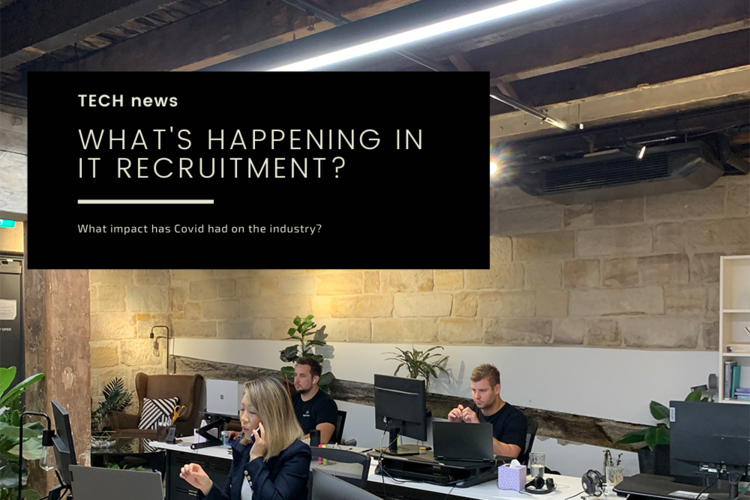
Over 15k live IT roles advertised on Seek • 95% of displaced workers are back into full-time work since the beginning of COVID • 0 incoming overseas workers • 500,000 + foreign workers have left Australia since COVID With increased competition there comes an increased cost for organisations looking to acquire high calibre talent. 18 months ago we’d comfortably place a talented, Front End React Developer with 5 years of experience for $100k + super, a moderate salary for a strong developer. Fast forward to 2021 and the market is seeing similar candidates being placed for $140k + super + bonus. This is great for candidates! But on the flip side organisations who wish to attract the top talent must be prepared to invest as the ones that do, will often win the heart of your candidates. The market has shifted in ways that even the most experienced forecasters did not predict. If you want the best, you must be prepared to pay for it or take on a BUILD approach whereby you bring in less experienced employees and train them, driving in-house training, moulding talent into what you want them to be.
By Default Author
•
March 19, 2022
A trend being labelled The Great Resignation is sweeping the US, with millions of staff from all types of industries voluntarily leaving their jobs. The move comes as they transition to a post Covid lifestyle and rethink their careers and the role of work in their lives. There's speculation that exhausted Aussies may follow suit with Microsoft's study revealing that more than 40% of the global workforce are considering leaving their employers this year. So as employers how can you protect ourselves from losing valuable employees? We suggest being proactive and taking action before it's too late! Really think about what it is that makes your staff feel motivated and engaged and review your well being programs, processes, culture and policies to ensure they make your staff want to jump out of bed in the morning! Being as great place to work, that offers enticing benefits and flexibility which make your staff feel happy and valued are key to keeping them from looking for other opportunities.

By Default Author
•
March 19, 2022
2021 is coming to an end and we’re all looking forward to some well-deserved time off. But, now is not the time to put your recruitment on hold, in fact now is the best time to fire up! Here are 5 reasons why you should recruit before Christmas and get one step ahead in your recruitment process. Your competition may be less focused on hiring at this time of year, which in turn gives you more chance of locking in the best candidates on the market. The recruitment process will be completed before Christmas and your new employee will start fresh in the new year. You will have more time for onboarding in the slower month of January. It is a great chance to invite your new starter to social events and Christmas parties happening in December, a chance for them to get to know the team before they start. Offering a candidate a role before Christmas gives them ample time to notify their employer of their resignation so that they can start in the new year with you.
By Default Author
•
March 19, 2022
2022 is here with 365 days for new beginnings, opportunities, and goals to kick. Here are 5 ways to prepare for the new year: 1. Review your year - It is important to reflect upon the last year before planning the next. By doing this, you will see what worked and what didn’t. 2. Make a plan/vision board - Once you have done your reflection, it’s time to put that into action. 3. Set new goals - A tip is to focus on one primary goal and then break it down to smaller quarterly goals to make it easier to achieve without losing track. 4. Create new habits - From the moment you wake up until you fall asleep, you are running on routine and habits. Including healthy habits in your lifestyle is essential to succeed with your future plans and goals. 5. Remember that change is a process - It may take longer than you would like to achieve your goals, but be patient and hang in there. We believe in you! Here’s to an amazing 2022!
By Default Author
•
March 19, 2022
Over 15k live IT roles advertised on Seek • 95% of displaced workers are back into full-time work since the beginning of COVID • 0 incoming overseas workers • 500,000 + foreign workers have left Australia since COVID With increased competition there comes an increased cost for organisations looking to acquire high calibre talent. 18 months ago we’d comfortably place a talented, Front End React Developer with 5 years of experience for $100k + super, a moderate salary for a strong developer. Fast forward to 2021 and the market is seeing similar candidates being placed for $140k + super + bonus. This is great for candidates! But on the flip side organisations who wish to attract the top talent must be prepared to invest as the ones that do, will often win the heart of your candidates. The market has shifted in ways that even the most experienced forecasters did not predict. If you want the best, you must be prepared to pay for it or take on a BUILD approach whereby you bring in less experienced employees and train them, driving in-house training, moulding talent into what you want them to be.
By Default Author
•
March 19, 2022
A trend being labelled The Great Resignation is sweeping the US, with millions of staff from all types of industries voluntarily leaving their jobs. The move comes as they transition to a post Covid lifestyle and rethink their careers and the role of work in their lives. There's speculation that exhausted Aussies may follow suit with Microsoft's study revealing that more than 40% of the global workforce are considering leaving their employers this year. So as employers how can you protect ourselves from losing valuable employees? We suggest being proactive and taking action before it's too late! Really think about what it is that makes your staff feel motivated and engaged and review your well being programs, processes, culture and policies to ensure they make your staff want to jump out of bed in the morning! Being as great place to work, that offers enticing benefits and flexibility which make your staff feel happy and valued are key to keeping them from looking for other opportunities.
By Default Author
•
March 19, 2022
2021 is coming to an end and we’re all looking forward to some well-deserved time off. But, now is not the time to put your recruitment on hold, in fact now is the best time to fire up! Here are 5 reasons why you should recruit before Christmas and get one step ahead in your recruitment process. Your competition may be less focused on hiring at this time of year, which in turn gives you more chance of locking in the best candidates on the market. The recruitment process will be completed before Christmas and your new employee will start fresh in the new year. You will have more time for onboarding in the slower month of January. It is a great chance to invite your new starter to social events and Christmas parties happening in December, a chance for them to get to know the team before they start. Offering a candidate a role before Christmas gives them ample time to notify their employer of their resignation so that they can start in the new year with you.
GENERAL INFORMATION
By Default Author
•
March 19, 2022
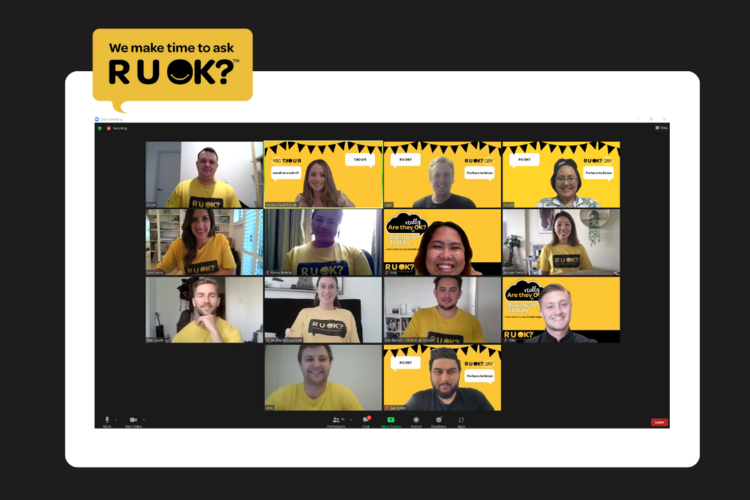
We’re proud supporters of R U OK? Day and recognise the importance of meaningfully connecting and supporting each other not just on R U Ok Day but everyday. As an organisation that puts its people first, we place great emphasis on the mental wellbeing and wellness of our people. We understand that life’s ups and downs can happen to us all, particularly amidst a global pandemic! So we'd like to remind you all to be kind to yourselves and one another. Take a moment to reach out to the people in your world to check-in and find out are they REALLY ok? To show our dedication to our people and the R U OK cause we planned a meaningful morning of activities which commenced with a morning meditation session with Sonia Scali from the Inner Nest, followed by an R U OK Day presentation from psychologist Karl Priebe from Acacia EAP . The team were also gifted R U OK self-care packs which included a bunch of revitalising goodies. Our activities provided us with some techniques to help us check in with ourselves and those around us, reminding us how a conversation could change a life. Let’s keep that conversation going, we encourage you all to reach out to those around you using these 4 steps: 💛 Ask R U OK? 💛 Listen With an Open Mind 💛 Encourage Action 💛 Check in Are they really OK? Ask today!

By Default Author
•
March 19, 2022
Come rain, hail or Covid, we are committed to investing in the village of Akode, Ghana each month and have committed a minimum of $140,000 to empower Akode through to their Self-Reliance ceremony! We've been partnering with the The Hunger Project Australia for the last 5 years. Most recently we celebrated our success with the Nchalo community in Malawi where through programs such as education, microfinance, agriculture and health we were able to break the poverty cycle and support the community to self-reliance. We are proud to partner with such a worthy cause that truly empowers people with a hand up, not just a hand out, which is why we have already donated close to $150,000 the Hunger Project's initiatives. Stay tuned to hear about our work with the Akode people and follow our fundraising efforts for Akode here: https://lnkd.in/gwkYvTe
By Default Author
•
March 19, 2022
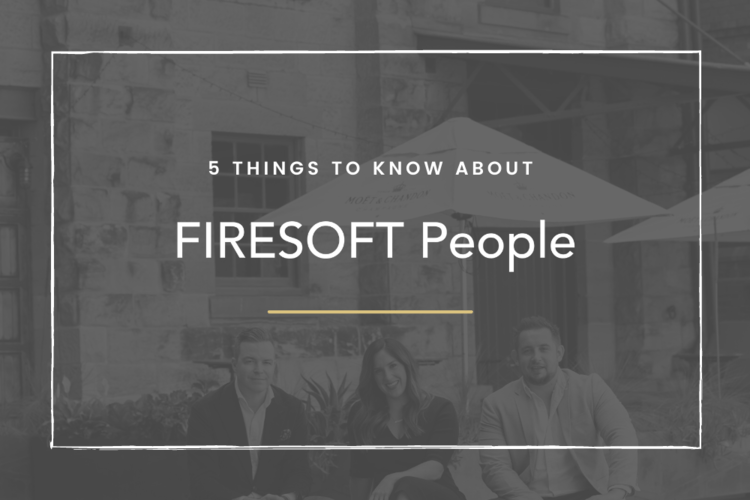
1. We specialise in the IT & Digital recruitment field and we’re here to do things differently, picking a fight with the status quo! FIRESOFT was founded 9 years ago on the principle that the standard in IT Recruitment and Consulting Services just wasn't good enough; there had to be a better way! 2. Our team consistently work passionately to ensure every candidate and client we impact has a positive, refreshing and enlightening experience with our team. Our mission is to educate and advise our client and candidate partners in order to deliver next-level experiences. 3. Working with our team you'll notice the difference right away; and it's not just the absence of black suits and ties that'll give it away! Our team is unapologetically authentic; passionately transparent, and we know our stuff! 4. Our 21 Phase Experience Framework ensures each client and candidate we come in contact with feels understood, consulted with, heard, educated and most importantly special - because they are. We're in the business of changing lives and carving out careers; this SHOULD be a next-level experience! 5. We’ve partnered with leading companies across Australia to help them grow innovative, dynamic and progressive teams which will help to shape the future of the Australian IT and Digital landscape; How AWESOME is our job?! One project at a time we're shifting the Paradigm of IT Recruitment...!
By Default Author
•
March 19, 2022
Gartner has released its annual trends report, identifying the 12 strategic trends technology trends that are critical to business and will allow CEO’s to deliver growth and innovation over the next 3 to five years. Trend 1: Data Fabric Data fabric provides flexible, resilient integration of data sources across platforms and business users, making data available everywhere it’s needed regardless of where the data lives. Data fabric can use analytics to learn and actively recommend where data should be used and changed. This can reduce data management efforts by up to 70%. Trend 2: Cybersecurity Mesh Cybersecurity mesh is a flexible, composable architecture that integrates widely distributed and disparate security services. Cybersecurity mesh enables best-of-breed, stand-alone security solutions to work together to improve overall security while moving control points closer to the assets they’re designed to protect. It can quickly and reliably verify identity, context and policy adherence across cloud and non-cloud environments. Trend 3: Privacy-Enhancing Computation Privacy-enhancing computation secures the processing of personal data in untrusted environments — which is increasingly critical due to evolving privacy and data protection laws as well as growing consumer concerns. Privacy-enhancing computation utilises a variety of privacy-protection techniques to allow value to be extracted from data while still meeting compliance requirements. Trend 4: Cloud-Native Platforms Cloud-native platforms are technologies that allow you to build new application architectures that are resilient, elastic and agile — enabling you to respond to rapid digital change/ Trend 5: Composable Applications Composable applications make it easier to use and reuse code, accelerating the time to market for new software solutions and releasing enterprise value. Trend 6: Decision Intelligence Decision intelligence is a practical approach to improve organizational decision-making. It models each decision as a set of processes, using intelligence and analytics to inform, learn from and refine decisions. Decision intelligence can support and enhance human decision-making and, potentially, automate it through the use of augmented analytics, simulations and AI. Trend 7: Hyperautomation Hyperautomation is a disciplined, business-driven approach to rapidly identify, vet and automate as many business and IT processes as possible. Hyperautomation enables scalability, remote operation and business model disruption. Trend 8: AI Engineering AI engineering automates updates to data, models and applications to streamline AI delivery. Combined with strong AI governance, AI engineering will operationalise the delivery of AI to ensure its ongoing business value. Trend 9: Distributed Enterprises Distributed enterprises reflect a digital-first, remote-first business model to improve employee experiences, digitalise consumer and partner touchpoints, and build out product experiences. Distributed enterprises better serve the needs of remote employees and consumers, who are fueling demand for virtual services and hybrid workplaces. Trend 10: Total Experience Total experience is a business strategy that integrates employee experience, customer experience, user experience and multi-experience across multiple touchpoints to accelerate growth. Total experience can drive greater customer and employee confidence, satisfaction, loyalty, and advocacy through holistic management of stakeholder experiences. Trend 11: Autonomic Systems Autonomic systems are self-managed physical or software systems that learn from their environments and dynamically modify their own algorithms in real-time to optimise their behavior in complex ecosystems. Autonomic systems create an agile set of technology capabilities that are able to support new requirements and situations, optimide performance and defend against attacks without human intervention. Trend 12: Generative AI Generative AI learns about artifacts from data, and generates innovative new creations that are similar to the original but doesn’t repeat it. Generative AI has the potential to create new forms of creative content, such as video, and accelerate R&D cycles in fields ranging from medicine to product creation. Source: Gartner “Gartner Top Strategic Technology Trends for 2022”
By Default Author
•
March 19, 2022
We’re proud supporters of R U OK? Day and recognise the importance of meaningfully connecting and supporting each other not just on R U Ok Day but everyday. As an organisation that puts its people first, we place great emphasis on the mental wellbeing and wellness of our people. We understand that life’s ups and downs can happen to us all, particularly amidst a global pandemic! So we'd like to remind you all to be kind to yourselves and one another. Take a moment to reach out to the people in your world to check-in and find out are they REALLY ok? To show our dedication to our people and the R U OK cause we planned a meaningful morning of activities which commenced with a morning meditation session with Sonia Scali from the Inner Nest, followed by an R U OK Day presentation from psychologist Karl Priebe from Acacia EAP . The team were also gifted R U OK self-care packs which included a bunch of revitalising goodies. Our activities provided us with some techniques to help us check in with ourselves and those around us, reminding us how a conversation could change a life. Let’s keep that conversation going, we encourage you all to reach out to those around you using these 4 steps: 💛 Ask R U OK? 💛 Listen With an Open Mind 💛 Encourage Action 💛 Check in Are they really OK? Ask today!
By Default Author
•
March 19, 2022
Come rain, hail or Covid, we are committed to investing in the village of Akode, Ghana each month and have committed a minimum of $140,000 to empower Akode through to their Self-Reliance ceremony! We've been partnering with the The Hunger Project Australia for the last 5 years. Most recently we celebrated our success with the Nchalo community in Malawi where through programs such as education, microfinance, agriculture and health we were able to break the poverty cycle and support the community to self-reliance. We are proud to partner with such a worthy cause that truly empowers people with a hand up, not just a hand out, which is why we have already donated close to $150,000 the Hunger Project's initiatives. Stay tuned to hear about our work with the Akode people and follow our fundraising efforts for Akode here: https://lnkd.in/gwkYvTe
By Default Author
•
March 19, 2022
1. We specialise in the IT & Digital recruitment field and we’re here to do things differently, picking a fight with the status quo! FIRESOFT was founded 9 years ago on the principle that the standard in IT Recruitment and Consulting Services just wasn't good enough; there had to be a better way! 2. Our team consistently work passionately to ensure every candidate and client we impact has a positive, refreshing and enlightening experience with our team. Our mission is to educate and advise our client and candidate partners in order to deliver next-level experiences. 3. Working with our team you'll notice the difference right away; and it's not just the absence of black suits and ties that'll give it away! Our team is unapologetically authentic; passionately transparent, and we know our stuff! 4. Our 21 Phase Experience Framework ensures each client and candidate we come in contact with feels understood, consulted with, heard, educated and most importantly special - because they are. We're in the business of changing lives and carving out careers; this SHOULD be a next-level experience! 5. We’ve partnered with leading companies across Australia to help them grow innovative, dynamic and progressive teams which will help to shape the future of the Australian IT and Digital landscape; How AWESOME is our job?! One project at a time we're shifting the Paradigm of IT Recruitment...!