
Hiring technical talent is hard.

June 9, 2026

Hiring Technical Talent Is Hard

Why Getting It Right Is Even Harder

             Hiring technical talent has always been challenging, but in today’s market, finding the right talent is significantly harder. As outlined in your material, the complexity is no longer just about sourcing candidates — it is about accurately assessing real-world capability before they even reach the interview stage.

At Firesoft People, this is where the approach has evolved. Traditional recruitment methods often rely on CV screening, keyword matching, and surface-level assessments. While these can help filter candidates, they rarely provide a true reflection of how someone performs in real-world technical environments. The result is a hiring process filled with uncertainty — strong candidates can be missed, while others progress despite lacking practical capability.

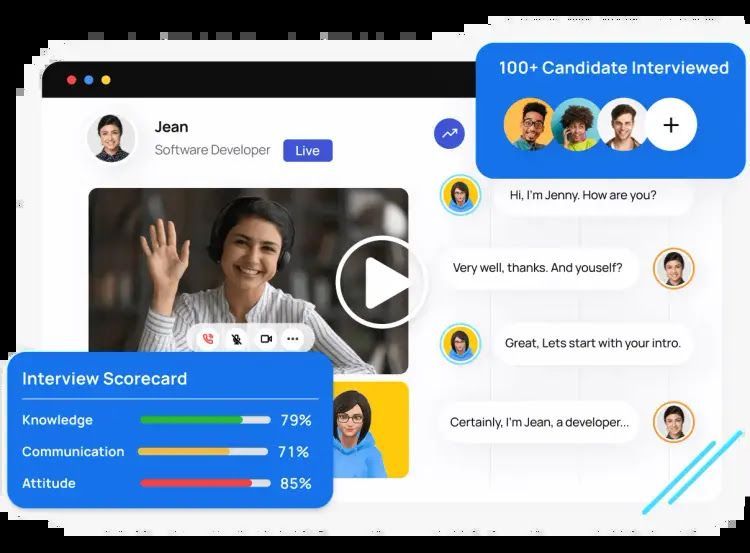
To address this, the recruitment process is shifting toward AI-driven technical screening. This allows for a more objective and structured way of evaluating candidates, focusing on how they actually think, solve problems, and apply their skills in real scenarios. Rather than relying on generic tests or assumptions, this approach mirrors how technical professionals operate day-to-day, providing a far more accurate view of their ability.

The impact of this shift is significant. Organisations benefit from higher technical accuracy in candidate selection, reducing the risk of hiring mismatches. False positives — candidates who appear strong on paper but underperform in practice — are minimised. At the same time, interview processes become more efficient, with less time wasted on unsuitable candidates and more focus placed on high-quality talent. Ultimately, this leads to stronger, more reliable shortlists that hiring managers can trust.

The Real Questions Shaping Hiring in the Age of AI

             As AI becomes more embedded in both work and recruitment, it is also raising important questions about how hiring should evolve. The conversation is no longer just about tools — it is about philosophy, fairness, and what we are truly trying to assess in candidates.

For example, should candidates be allowed to use AI during interviews if they are transparent about it? In a world where AI is part of everyday work, restricting its use in hiring may not reflect real-world conditions. At the same time, it raises concerns about authenticity and individual capability.

            Another critical question is whether companies should be assessing thinking or outputs. AI can generate outputs quickly, but understanding how a candidate thinks, approaches problems, and makes decisions remains essential. This creates a need to rethink assessment methods, ensuring they capture both capability and reasoning.

There is also the broader question of where AI should sit within the hiring process. Should it be limited to screening, or should it extend into interviews and decision-making? While AI has the potential to improve efficiency and consistency, over-reliance on it may introduce new risks, particularly around bias and fairness.

            The rise of AI-generated CVs further complicates the landscape. As candidates increasingly use AI to optimise applications, organisations must also evolve their screening methods to ensure authenticity. This creates a new dynamic — AI-assisted candidates being evaluated by AI-driven systems — which challenges traditional hiring assumptions.

Finally, there is the question of bias. AI has the potential to reduce bias by standardising assessments, but it also has the potential to scale bias if not carefully designed and monitored. This makes it critical for organisations to balance automation with human judgment, ensuring fairness remains at the core of hiring decisions.

From Process to Confidence: Better Hiring Decisions, Faster

             Ultimately, the goal of modern recruitment is not just speed — it is confidence. Hiring decisions carry significant impact, particularly in technical roles where capability directly affects performance, delivery, and business outcomes.

By integrating structured, AI-driven assessment into the hiring process, organisations can move from uncertainty to clarity. Instead of relying on assumptions, they gain data-driven insights into candidate capability. This enables faster decision-making without compromising quality.

              For companies hiring across data, engineering, cloud, AI, and other complex technical domains, this shift is particularly valuable. These roles require a deeper level of evaluation, and traditional methods often fall short. A more advanced approach ensures that only candidates with proven, real-world capability progress through the process.

The result is a more efficient hiring journey, stronger hires, and ultimately, better outcomes for both organisations and candidates. Hiring becomes less about guesswork and more about informed decision-making.

Final Thought

            Hiring technical talent will likely always be challenging. The demand for skilled professionals continues to grow, while the complexity of roles continues to evolve. However, the way organisations approach hiring can make a significant difference.

The future of recruitment is not about replacing human judgment, but enhancing it. By combining technology with thoughtful, structured assessment, companies can build stronger teams with greater confidence.

Because in the end, hiring is not just about filling roles.

It is about making the right decisions — faster, smarter, and with greater certainty.

Other suggested reads for you

By Shazamme System User June 9, 2026
Mental Mental Health Recharge Why Taking Time to Reset Is Essential in Today’s Workplace In today’s fast-paced and always-connected world, maintaining mental well-being has become more important than ever. With constant notifications, demanding workloads, and the pressure to stay productive, it is easy for individuals to feel overwhelmed and mentally drained. Taking intentional steps to recharge is not just beneficial — it is essential for long-term performance, focus, and overall well-being. At Firesoft People, we recognise that high-performing teams are built not only on skills and experience, but also on the mental health of individuals. Creating space to reset and recharge allows professionals to return with greater clarity, energy, and resilience. Unplug from Technology One of the most effective ways to recharge mentally is by stepping away from technology. In a world where we are constantly connected to emails, messages, and social media, the mind rarely gets the opportunity to fully rest. Unplugging, even for a short period, allows the brain to slow down and recover from continuous stimulation. It creates space for deeper thinking, reflection, and mental clarity. This does not require a complete digital detox — even small breaks throughout the day can make a meaningful difference. By intentionally limiting screen time and creating boundaries with technology, individuals can reduce stress and improve their ability to focus when they return to work. Engage in Mindfulness Mindfulness practices have become increasingly important in managing stress and maintaining mental balance. Activities such as meditation, deep breathing, or yoga help bring attention back to the present moment, reducing anxiety and promoting relaxation. Incorporating mindfulness into daily routines does not have to be time-consuming. Even a few minutes of focused breathing or quiet reflection can help reset the mind. Over time, these small practices build greater emotional awareness and resilience. For professionals working in high-pressure environments, mindfulness offers a practical way to stay grounded and maintain clarity in the face of constant demands. Spend Time Outdoors Spending time in nature is one of the simplest and most effective ways to improve mental well-being. Whether it is a short walk, a hike, or simply sitting in a park, being outdoors has proven benefits for reducing stress and improving mood. Nature provides a natural break from structured environments and digital distractions. It allows the mind to reset and creates a sense of calm that is often difficult to achieve in busy work settings. Incorporating outdoor time into daily or weekly routines can significantly enhance mental clarity, creativity, and overall well-being. It is a small habit with a powerful impact. Pursue Hobbies Engaging in hobbies is another important way to recharge mentally. Activities such as reading, painting, gardening, or playing music provide a sense of enjoyment and accomplishment outside of work. Hobbies allow individuals to shift focus, reduce stress, and reconnect with personal interests. They also create opportunities for creativity and self-expression, which can be highly therapeutic. In a work environment where productivity is often prioritised, hobbies remind us of the importance of balance. They contribute to a more well-rounded and fulfilling lifestyle, which ultimately supports better performance at work. Indulge in Self-Care Self-care is often misunderstood as a luxury, but in reality, it is a necessity. Taking time to care for oneself — whether through relaxation, rest, or simple enjoyment — plays a critical role in maintaining mental health. This can include activities such as taking a long bath, enjoying a favourite meal, or creating a calming routine at home. These moments of care allow individuals to recharge emotionally and physically, helping to prevent burnout. When self-care becomes a regular practice rather than an occasional treat, it creates a stronger foundation for sustained performance and well-being. Final Thought Mental health is not something that can be addressed only when challenges arise. It requires ongoing attention and intentional effort. By unplugging from technology, practicing mindfulness, spending time outdoors, engaging in hobbies, and prioritising self-care, individuals can build habits that support long-term well-being. Because in the end, productivity is not just about working harder. It is about taking the time to recharge — so you can perform at your best when it matters most.Health Recharge
By Shazamme System User June 9, 2026
Strengthening Trust in the New Era of Work Why Emotional Intelligence Is the Foundation of Modern Teams In today’s evolving workplace, trust has become one of the most valuable — and fragile — elements of team success. As work becomes more digital, distributed, and fast-paced, building strong human connections is no longer automatic. It requires intention. As highlighted in your material, trust is not built through processes or systems alone, but through everyday interactions, particularly how we acknowledge and respond to each other’s emotions. At Firesoft People, we see trust as a key driver of performance, collaboration, and retention. Organisations that prioritise emotional intelligence alongside technical capability are better positioned to build resilient, high-performing teams in the modern era. Emotional Acknowledgment: Strengthening Bonds One of the simplest yet most powerful ways to build trust is through emotional acknowledgment. Recognising how someone feels — even with a simple statement like “You seem upset” — signals that you are paying attention and that you care. This small act creates a deeper connection between colleagues. It shows that relationships are not purely transactional, but human. Over time, these moments of acknowledgment compound, strengthening bonds across teams. When individuals feel seen and understood, they are more likely to engage, collaborate, and contribute meaningfully. Importantly, emotional acknowledgment does not only impact the individual involved. It also influences how others perceive the environment. Teams that observe empathetic interactions are more likely to feel safe and supported themselves, reinforcing a culture of trust. Embracing Negative Emotions While it may feel more natural to acknowledge positive emotions, your content highlights that recognising negative emotions often has a greater impact on trust. Moments of frustration, stress, or uncertainty are when individuals need support the most. By acknowledging these emotions, leaders and colleagues demonstrate empathy and understanding. This reassures individuals that they are not alone in their experience and that their feelings are valid. It also helps prevent issues from escalating, as people feel comfortable expressing concerns early. Avoiding or dismissing negative emotions, on the other hand, can create distance and reduce trust. In contrast, embracing these moments strengthens relationships and fosters a more supportive and resilient team environment. Directly Acknowledging Emotions There is a significant difference between acknowledging a situation and acknowledging an emotion. Saying “That sounds like a tough situation” is helpful, but saying “That sounds frustrating” directly addresses how someone feels. Emotions are deeply personal, and when they are recognised directly, individuals feel validated. This validation humanises interactions and deepens trust. It shows that the focus is not just on outcomes or tasks, but on the person behind them. In high-performing teams, this level of awareness becomes a strength. It enables clearer communication, reduces misunderstandings, and builds stronger interpersonal relationships across the organisation. The Weight of Accuracy While emotional acknowledgment is powerful, it must also be accurate. Misreading or incorrectly assuming someone’s emotions can have the opposite effect, potentially damaging trust rather than building it. This highlights the importance of active listening and observation. Taking the time to understand context, tone, and behaviour allows for more precise and meaningful responses. Accuracy signals genuine care, while assumptions can come across as superficial or inattentive. In practice, this means being present in conversations and avoiding quick judgments. When done correctly, accurate emotional acknowledgment reinforces trust and credibility within teams. Thoughtful Implementation Emotional intelligence is not about applying techniques mechanically — it is about being intentional and authentic. Acknowledging emotions should never feel forced or opportunistic. Timing, context, and sincerity all play a role in how these interactions are received. When done thoughtfully, emotional acknowledgment strengthens relationships. When done poorly, it can feel insincere and reduce trust. Leaders and team members alike should approach these moments with genuine intent, focusing on understanding rather than responding. This creates more meaningful interactions and reinforces a culture of authenticity. Language Matters The way we communicate plays a critical role in building trust. Language shapes how messages are received and how comfortable individuals feel in expressing themselves. Using open-ended or less direct language can encourage others to share their thoughts and emotions more freely. For example, asking “How are you feeling about this?” instead of making assumptions allows individuals to express themselves in their own words. This approach fosters authenticity and reduces the risk of misinterpretation. It also creates space for more honest and open conversations, which are essential for building trust in any team environment. Final Thought In the new era of work, trust is no longer built through proximity or routine interactions. It is built through intentional, human-centered communication. By acknowledging emotions, embracing vulnerability, and communicating with authenticity, organisations can create stronger, more connected teams. Because in the end, trust is not built in big moments. It is built in the small, everyday interactions that show people they are seen, heard, and valued.
By Shazamme System User June 9, 2026
The Screening Interview Matters More Than You Think The First Step That Shapes Hiring Outcomes In today’s hiring landscape, the screening interview is often seen as a routine step — a quick filter before the “real” interviews begin. This stage plays a far more critical role than many organisations realise. It is not just an administrative checkpoint; it is the first real opportunity to assess alignment, capability, and potential. At Firesoft People, we see the screening interview as a foundational stage that sets the tone for the entire hiring process. When done effectively, it saves time, improves candidate quality, and creates a stronger overall experience for both hiring teams and candidates. Beyond Basic Qualification Traditionally, screening interviews have focused on verifying basic qualifications — confirming experience, checking availability, and validating key details on a CV. While these are still important, they no longer provide enough insight to make confident hiring decisions. Today, screening needs to go deeper. It is about understanding how a candidate thinks, communicates, and positions their experience. Candidates are expected to clearly articulate their background, explain their achievements, and demonstrate how their skills align with the role. Questions like “Tell me about yourself” or “Why are you interested in this role?” are no longer simple prompts — they are opportunities to evaluate clarity, confidence, and intent. This shift means that screening interviews are not just about filtering candidates out, but about identifying those who can effectively communicate their value and contribute to the organisation. A Two-Way Evaluation One of the most overlooked aspects of screening interviews is that they are not one-sided. While companies assess candidates, candidates are also assessing companies. First impressions matter. The way a screening interview is conducted — the professionalism, clarity, and engagement of the interviewer — can significantly influence a candidate’s perception of the organisation. A well-structured and thoughtful screening process signals that a company values its people and takes hiring seriously. In competitive markets, where top talent often has multiple options, this first interaction can be a deciding factor. Organisations that treat screening interviews as meaningful conversations, rather than quick checklists, are more likely to attract and retain high-quality candidates. Identifying Alignment Early One of the key benefits of a strong screening interview is the ability to identify alignment early in the process. This includes alignment in expectations, role scope, company culture, and career goals. Misalignment is one of the biggest causes of failed hires. Candidates may have the right skills but different expectations around salary, flexibility, or growth opportunities. By addressing these factors early, organisations can avoid investing time in candidates who are unlikely to proceed. At the same time, candidates gain clarity on whether the role and company are the right fit for them. This creates a more efficient hiring process, where both sides move forward with confidence and shared understanding. Improving Efficiency Without Losing Quality In fast-paced hiring environments, there is often pressure to move quickly. Screening interviews provide an opportunity to balance speed with quality. By asking the right questions and focusing on key areas of assessment, recruiters and hiring managers can quickly identify strong candidates while filtering out those who are not aligned. This reduces the number of unnecessary interviews and allows teams to focus their time on high-potential candidates. However, efficiency should not come at the expense of depth. A rushed or superficial screening process can lead to missed insights and poor hiring decisions. The goal is to be both efficient and thorough — ensuring that every screening interview adds real value to the process. Setting the Foundation for Success Ultimately, the screening interview is more than just the first step in hiring — it is the foundation upon which the rest of the process is built. A strong screening stage leads to better shortlists, more focused interviews, and higher-quality hires. It also creates a positive experience for candidates, reinforcing the organisation’s brand and reputation. Final Thought Hiring success is rarely determined by a single decision. It is shaped by every step in the process — and the screening interview is one of the most important. When done right, it provides clarity, builds alignment, and sets the stage for better decisions. Because in the end, the strongest hires don’t start at the final interview. They start at the very first conversation. For companies, this means treating screening interviews as a strategic priority rather than a routine task. Investing time and effort into this stage can significantly improve hiring outcomes and reduce long-term risks.