
Revolutionary Wellness Trends Shaping Australian Workplaces in 2025
Revolutionary Wellness Trends Shaping Australian Workplaces in 2025
Why Employee Wellbeing Is Driving the Future of Work
The modern workplace is evolving at an unprecedented pace. While advancements in technology, particularly artificial intelligence, continue to reshape how organisations operate, a more profound shift is happening beneath the surface. The focus is no longer just on productivity and performance — it is increasingly centred on employee wellbeing.
What was once seen as an optional benefit has now become a fundamental expectation. Employees today are not only evaluating roles based on salary and responsibilities, but also on how well organisations support their overall wellbeing. In 2025, companies that fail to prioritise this will struggle to attract, engage, and retain top talent.
Financial Wellness: Addressing a Hidden Challenge
One of the most impactful yet often overlooked aspects of employee wellbeing is financial health. Financial stress can significantly affect mental, emotional, and even physical wellbeing. When employees are under financial pressure, it can lead to decreased focus, increased anxiety, and reduced productivity. Forward-thinking organisations are beginning to address this by introducing financial wellness programs, including coaching, budgeting tools, and educational workshops.
By supporting employees in managing their finances, companies not only help reduce stress but also build stronger trust and loyalty. Employees who feel supported beyond their immediate job responsibilities are more likely to remain engaged and committed to their organisation.
Tailored Wellness Programs: Personalisation Is Key
The traditional “one-size-fits-all” approach to wellness is quickly becoming outdated. Employees now expect personalised solutions that reflect their individual needs and lifestyles. This includes areas such as stress management, mental health support, nutrition, and sleep. With the help of AI and data-driven insights, organisations can now design customised wellness programs that cater to each individual. Personalisation not only increases participation but also improves outcomes. When employees feel that wellness initiatives are relevant and meaningful, they are more likely to engage with them, leading to higher satisfaction and performance.
Improved Workplace Design: Creating Environments That Support People
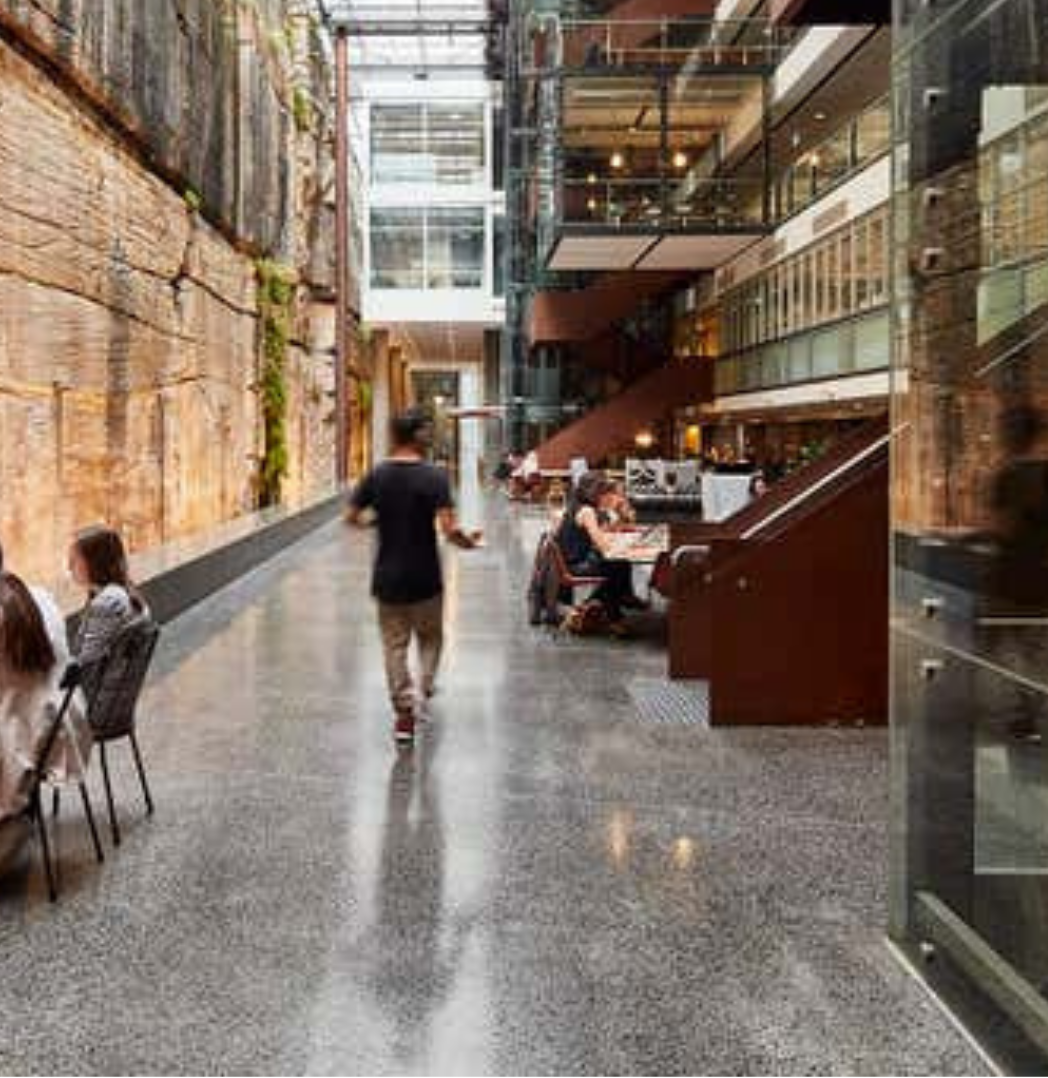
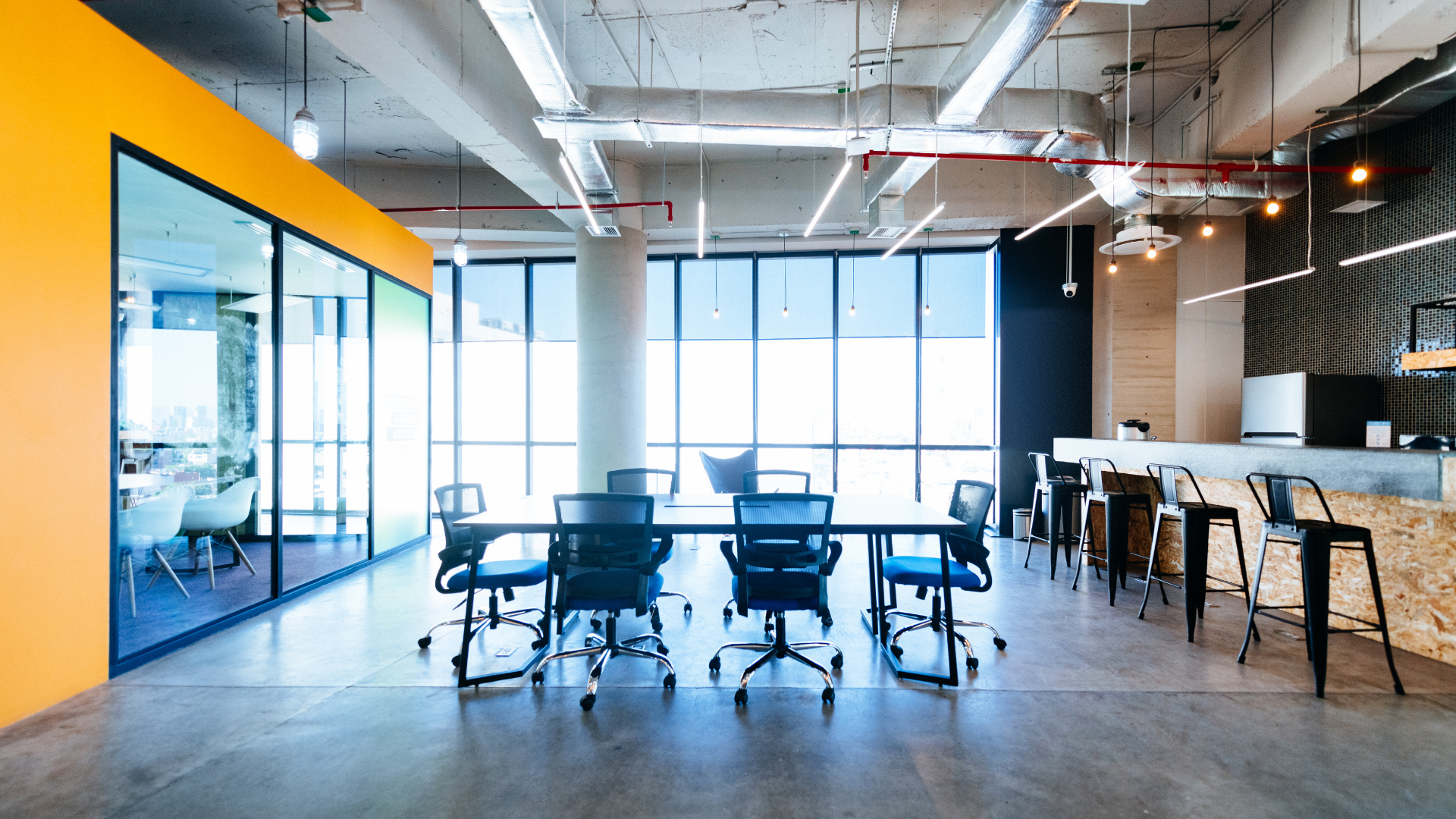
As more employees return to offices or adopt hybrid work models, the design of the workplace itself is becoming a critical factor in wellbeing. Organisations are rethinking office spaces to better support employee health and productivity. Features such as improved air quality, optimised lighting, and the incorporation of natural elements — known as biophilic design — are gaining popularity. These changes are not just aesthetic; they have a measurable impact on how employees feel and perform.
Research from the World Green Building Council, referenced in your content, shows that these enhancements can increase productivity by up to 6% and improve wellbeing by 15%. This highlights the importance of investing in environments that actively support employees rather than simply housing them.
Wellness as a Strategic Business Priority
Perhaps the most important takeaway from your content is the recognition that wellness is no longer optional — it is a key business strategy. Burnout and employee turnover cost organisations billions each year. Companies that fail to address these issues risk losing valuable talent and facing ongoing productivity challenges. On the other hand, organisations that prioritise wellbeing see tangible benefits, including higher engagement, improved retention, and stronger overall performance.
This shift represents a fundamental change in how organisations view their workforce. Employees are no longer just contributors to output; they are individuals whose wellbeing directly influences business success.
The Bigger Shift: Human-Centred Workplaces
The rise of wellness trends reflects a broader movement toward more human-centered workplaces. Employees are seeking environments where they feel supported, understood, and valued as individuals.
For organisations, this means embedding wellbeing into every aspect of the employee experience — from onboarding and leadership to workplace design and daily interactions. It requires a commitment to understanding what employees truly need and creating systems that support them holistically.
Other suggested reads for you