
RECENT POSTS
ALL RECENT POSTS

Mental Mental Health Recharge Why Taking Time to Reset Is Essential in Today’s Workplace In today’s fast-paced and always-connected world, maintaining mental well-being has become more important than ever. With constant notifications, demanding workloads, and the pressure to stay productive, it is easy for individuals to feel overwhelmed and mentally drained. Taking intentional steps to recharge is not just beneficial — it is essential for long-term performance, focus, and overall well-being. At Firesoft People, we recognise that high-performing teams are built not only on skills and experience, but also on the mental health of individuals. Creating space to reset and recharge allows professionals to return with greater clarity, energy, and resilience. Unplug from Technology One of the most effective ways to recharge mentally is by stepping away from technology. In a world where we are constantly connected to emails, messages, and social media, the mind rarely gets the opportunity to fully rest. Unplugging, even for a short period, allows the brain to slow down and recover from continuous stimulation. It creates space for deeper thinking, reflection, and mental clarity. This does not require a complete digital detox — even small breaks throughout the day can make a meaningful difference. By intentionally limiting screen time and creating boundaries with technology, individuals can reduce stress and improve their ability to focus when they return to work. Engage in Mindfulness Mindfulness practices have become increasingly important in managing stress and maintaining mental balance. Activities such as meditation, deep breathing, or yoga help bring attention back to the present moment, reducing anxiety and promoting relaxation. Incorporating mindfulness into daily routines does not have to be time-consuming. Even a few minutes of focused breathing or quiet reflection can help reset the mind. Over time, these small practices build greater emotional awareness and resilience. For professionals working in high-pressure environments, mindfulness offers a practical way to stay grounded and maintain clarity in the face of constant demands. Spend Time Outdoors Spending time in nature is one of the simplest and most effective ways to improve mental well-being. Whether it is a short walk, a hike, or simply sitting in a park, being outdoors has proven benefits for reducing stress and improving mood. Nature provides a natural break from structured environments and digital distractions. It allows the mind to reset and creates a sense of calm that is often difficult to achieve in busy work settings. Incorporating outdoor time into daily or weekly routines can significantly enhance mental clarity, creativity, and overall well-being. It is a small habit with a powerful impact. Pursue Hobbies Engaging in hobbies is another important way to recharge mentally. Activities such as reading, painting, gardening, or playing music provide a sense of enjoyment and accomplishment outside of work. Hobbies allow individuals to shift focus, reduce stress, and reconnect with personal interests. They also create opportunities for creativity and self-expression, which can be highly therapeutic. In a work environment where productivity is often prioritised, hobbies remind us of the importance of balance. They contribute to a more well-rounded and fulfilling lifestyle, which ultimately supports better performance at work. Indulge in Self-Care Self-care is often misunderstood as a luxury, but in reality, it is a necessity. Taking time to care for oneself — whether through relaxation, rest, or simple enjoyment — plays a critical role in maintaining mental health. This can include activities such as taking a long bath, enjoying a favourite meal, or creating a calming routine at home. These moments of care allow individuals to recharge emotionally and physically, helping to prevent burnout. When self-care becomes a regular practice rather than an occasional treat, it creates a stronger foundation for sustained performance and well-being. Final Thought Mental health is not something that can be addressed only when challenges arise. It requires ongoing attention and intentional effort. By unplugging from technology, practicing mindfulness, spending time outdoors, engaging in hobbies, and prioritising self-care, individuals can build habits that support long-term well-being. Because in the end, productivity is not just about working harder. It is about taking the time to recharge — so you can perform at your best when it matters most.Health Recharge

Strengthening Trust in the New Era of Work Why Emotional Intelligence Is the Foundation of Modern Teams In today’s evolving workplace, trust has become one of the most valuable — and fragile — elements of team success. As work becomes more digital, distributed, and fast-paced, building strong human connections is no longer automatic. It requires intention. As highlighted in your material, trust is not built through processes or systems alone, but through everyday interactions, particularly how we acknowledge and respond to each other’s emotions. At Firesoft People, we see trust as a key driver of performance, collaboration, and retention. Organisations that prioritise emotional intelligence alongside technical capability are better positioned to build resilient, high-performing teams in the modern era. Emotional Acknowledgment: Strengthening Bonds One of the simplest yet most powerful ways to build trust is through emotional acknowledgment. Recognising how someone feels — even with a simple statement like “You seem upset” — signals that you are paying attention and that you care. This small act creates a deeper connection between colleagues. It shows that relationships are not purely transactional, but human. Over time, these moments of acknowledgment compound, strengthening bonds across teams. When individuals feel seen and understood, they are more likely to engage, collaborate, and contribute meaningfully. Importantly, emotional acknowledgment does not only impact the individual involved. It also influences how others perceive the environment. Teams that observe empathetic interactions are more likely to feel safe and supported themselves, reinforcing a culture of trust. Embracing Negative Emotions While it may feel more natural to acknowledge positive emotions, your content highlights that recognising negative emotions often has a greater impact on trust. Moments of frustration, stress, or uncertainty are when individuals need support the most. By acknowledging these emotions, leaders and colleagues demonstrate empathy and understanding. This reassures individuals that they are not alone in their experience and that their feelings are valid. It also helps prevent issues from escalating, as people feel comfortable expressing concerns early. Avoiding or dismissing negative emotions, on the other hand, can create distance and reduce trust. In contrast, embracing these moments strengthens relationships and fosters a more supportive and resilient team environment. Directly Acknowledging Emotions There is a significant difference between acknowledging a situation and acknowledging an emotion. Saying “That sounds like a tough situation” is helpful, but saying “That sounds frustrating” directly addresses how someone feels. Emotions are deeply personal, and when they are recognised directly, individuals feel validated. This validation humanises interactions and deepens trust. It shows that the focus is not just on outcomes or tasks, but on the person behind them. In high-performing teams, this level of awareness becomes a strength. It enables clearer communication, reduces misunderstandings, and builds stronger interpersonal relationships across the organisation. The Weight of Accuracy While emotional acknowledgment is powerful, it must also be accurate. Misreading or incorrectly assuming someone’s emotions can have the opposite effect, potentially damaging trust rather than building it. This highlights the importance of active listening and observation. Taking the time to understand context, tone, and behaviour allows for more precise and meaningful responses. Accuracy signals genuine care, while assumptions can come across as superficial or inattentive. In practice, this means being present in conversations and avoiding quick judgments. When done correctly, accurate emotional acknowledgment reinforces trust and credibility within teams. Thoughtful Implementation Emotional intelligence is not about applying techniques mechanically — it is about being intentional and authentic. Acknowledging emotions should never feel forced or opportunistic. Timing, context, and sincerity all play a role in how these interactions are received. When done thoughtfully, emotional acknowledgment strengthens relationships. When done poorly, it can feel insincere and reduce trust. Leaders and team members alike should approach these moments with genuine intent, focusing on understanding rather than responding. This creates more meaningful interactions and reinforces a culture of authenticity. Language Matters The way we communicate plays a critical role in building trust. Language shapes how messages are received and how comfortable individuals feel in expressing themselves. Using open-ended or less direct language can encourage others to share their thoughts and emotions more freely. For example, asking “How are you feeling about this?” instead of making assumptions allows individuals to express themselves in their own words. This approach fosters authenticity and reduces the risk of misinterpretation. It also creates space for more honest and open conversations, which are essential for building trust in any team environment. Final Thought In the new era of work, trust is no longer built through proximity or routine interactions. It is built through intentional, human-centered communication. By acknowledging emotions, embracing vulnerability, and communicating with authenticity, organisations can create stronger, more connected teams. Because in the end, trust is not built in big moments. It is built in the small, everyday interactions that show people they are seen, heard, and valued.

The Screening Interview Matters More Than You Think The First Step That Shapes Hiring Outcomes In today’s hiring landscape, the screening interview is often seen as a routine step — a quick filter before the “real” interviews begin. This stage plays a far more critical role than many organisations realise. It is not just an administrative checkpoint; it is the first real opportunity to assess alignment, capability, and potential. At Firesoft People, we see the screening interview as a foundational stage that sets the tone for the entire hiring process. When done effectively, it saves time, improves candidate quality, and creates a stronger overall experience for both hiring teams and candidates. Beyond Basic Qualification Traditionally, screening interviews have focused on verifying basic qualifications — confirming experience, checking availability, and validating key details on a CV. While these are still important, they no longer provide enough insight to make confident hiring decisions. Today, screening needs to go deeper. It is about understanding how a candidate thinks, communicates, and positions their experience. Candidates are expected to clearly articulate their background, explain their achievements, and demonstrate how their skills align with the role. Questions like “Tell me about yourself” or “Why are you interested in this role?” are no longer simple prompts — they are opportunities to evaluate clarity, confidence, and intent. This shift means that screening interviews are not just about filtering candidates out, but about identifying those who can effectively communicate their value and contribute to the organisation. A Two-Way Evaluation One of the most overlooked aspects of screening interviews is that they are not one-sided. While companies assess candidates, candidates are also assessing companies. First impressions matter. The way a screening interview is conducted — the professionalism, clarity, and engagement of the interviewer — can significantly influence a candidate’s perception of the organisation. A well-structured and thoughtful screening process signals that a company values its people and takes hiring seriously. In competitive markets, where top talent often has multiple options, this first interaction can be a deciding factor. Organisations that treat screening interviews as meaningful conversations, rather than quick checklists, are more likely to attract and retain high-quality candidates. Identifying Alignment Early One of the key benefits of a strong screening interview is the ability to identify alignment early in the process. This includes alignment in expectations, role scope, company culture, and career goals. Misalignment is one of the biggest causes of failed hires. Candidates may have the right skills but different expectations around salary, flexibility, or growth opportunities. By addressing these factors early, organisations can avoid investing time in candidates who are unlikely to proceed. At the same time, candidates gain clarity on whether the role and company are the right fit for them. This creates a more efficient hiring process, where both sides move forward with confidence and shared understanding. Improving Efficiency Without Losing Quality In fast-paced hiring environments, there is often pressure to move quickly. Screening interviews provide an opportunity to balance speed with quality. By asking the right questions and focusing on key areas of assessment, recruiters and hiring managers can quickly identify strong candidates while filtering out those who are not aligned. This reduces the number of unnecessary interviews and allows teams to focus their time on high-potential candidates. However, efficiency should not come at the expense of depth. A rushed or superficial screening process can lead to missed insights and poor hiring decisions. The goal is to be both efficient and thorough — ensuring that every screening interview adds real value to the process. Setting the Foundation for Success Ultimately, the screening interview is more than just the first step in hiring — it is the foundation upon which the rest of the process is built. A strong screening stage leads to better shortlists, more focused interviews, and higher-quality hires. It also creates a positive experience for candidates, reinforcing the organisation’s brand and reputation. Final Thought Hiring success is rarely determined by a single decision. It is shaped by every step in the process — and the screening interview is one of the most important. When done right, it provides clarity, builds alignment, and sets the stage for better decisions. Because in the end, the strongest hires don’t start at the final interview. They start at the very first conversation. For companies, this means treating screening interviews as a strategic priority rather than a routine task. Investing time and effort into this stage can significantly improve hiring outcomes and reduce long-term risks.
How to Succeed in Digital Marketing A Practical Framework for Modern Growth Digital marketing today is more complex than ever. With constantly evolving platforms, changing algorithms, and increasing competition, success is no longer about simply being present online — it is about being strategic, intentional, and adaptable. As outlined in your material, achieving consistent results requires more than tactics; it requires a structured approach that aligns goals, execution, and measurement. Organisations that succeed in digital marketing are not necessarily those that spend the most, but those that build a clear and repeatable system for growth. This starts with understanding that digital marketing is not a one-off activity — it is an ongoing process of testing, learning, and refining. Create a Realistic Framework Success in digital marketing begins with building a realistic and achievable framework. Many businesses fail not because of poor execution, but because their expectations are misaligned with reality. Without a clear structure, marketing efforts can quickly become fragmented, reactive, and inconsistent. A strong framework defines your target audience, channels, messaging, and timelines. It sets clear priorities and ensures that every activity contributes to a larger goal. Importantly, it also accounts for the time it takes to see results. Digital marketing is rarely instant — it requires consistency, iteration, and patience. By establishing a realistic foundation, organisations can avoid chasing short-term wins and instead focus on building sustainable growth over time. Identify Appropriate KPIs at the Outset One of the most critical aspects of digital marketing success is measurement. Without clearly defined key performance indicators (KPIs), it becomes difficult to understand what is working and what needs to be improved. The right KPIs depend on your objectives. For some organisations, this may be lead generation or conversions, while for others it may be brand awareness, engagement, or traffic. The key is to align your KPIs with business outcomes, not just vanity metrics. Setting KPIs early in the process ensures that all marketing activities are guided by measurable goals. It also allows teams to make data-driven decisions, optimise performance, and demonstrate the impact of their efforts over time. Know How to Build an Effective Funnel An effective digital marketing strategy is built on a well-designed funnel. This funnel represents the journey a customer takes from initial awareness to final conversion — and beyond. Understanding this journey is essential. Different stages of the funnel require different types of content, messaging, and engagement. For example, top-of-funnel efforts may focus on education and awareness, while bottom-of-funnel strategies are more conversion-driven. Without a clear funnel, marketing efforts can become disconnected, leading to missed opportunities and lower conversion rates. By designing a structured funnel, organisations can guide potential customers through each stage, improving both engagement and results. Understand What Makes Effective Content Content remains at the core of digital marketing, but not all content delivers results. Effective content is not just about volume — it is about relevance, clarity, and value. To create impactful content, organisations need to understand their audience deeply. What are their challenges? What information are they looking for? What type of content resonates with them? Answering these questions allows businesses to produce content that genuinely engages and influences decision-making. Consistency is also key. High-quality, relevant content builds trust over time, positioning your brand as a credible and valuable source of information. In a crowded digital landscape, this trust is what differentiates successful brands from the rest. Plan Strategically, But Stay Flexible While planning is essential, digital marketing also requires flexibility. Markets change, trends evolve, and new opportunities emerge constantly. A rigid plan can quickly become outdated. Successful organisations strike a balance between structure and adaptability. They set clear strategies but remain open to adjusting their approach based on performance data and market conditions. This allows them to respond quickly to changes while staying aligned with their overall objectives. Flexibility is not about abandoning strategy — it is about refining it. Continuous optimisation ensures that marketing efforts remain effective and relevant over time. Create a Library of Evergreen Content One of the most effective ways to build long-term success in digital marketing is by developing a library of evergreen content. Unlike time-sensitive content, evergreen content remains relevant and valuable over an extended period. This type of content continues to generate traffic, engagement, and leads long after it is published. It also serves as a foundation for your overall content strategy, allowing you to repurpose and build upon existing assets. By investing in evergreen content, organisations can create a sustainable source of value that supports ongoing marketing efforts and reduces reliance on constant content creation. Visualise a Clear Direction Finally, success in digital marketing requires a clear vision of where you are heading. Without a defined direction, it becomes difficult to align efforts, measure progress, and maintain consistency. Visualising your goals helps guide decision-making and ensures that all marketing activities contribute to a cohesive strategy. It also provides a sense of purpose and direction for teams, enabling them to work more effectively toward shared objectives. A clear direction does not mean having all the answers from the start. It means having a strong sense of intent and continuously refining your path based on insights and results. Final Thought Digital marketing success is not achieved through isolated tactics or quick wins. It is built through a combination of structure, strategy, and adaptability. By creating a realistic framework, defining meaningful KPIs, building effective funnels, producing valuable content, and maintaining flexibility, organisations can position themselves for long-term growth. Because in the end, digital marketing is not just about reaching more people. It is about reaching the right people — in the right way — at the right time.
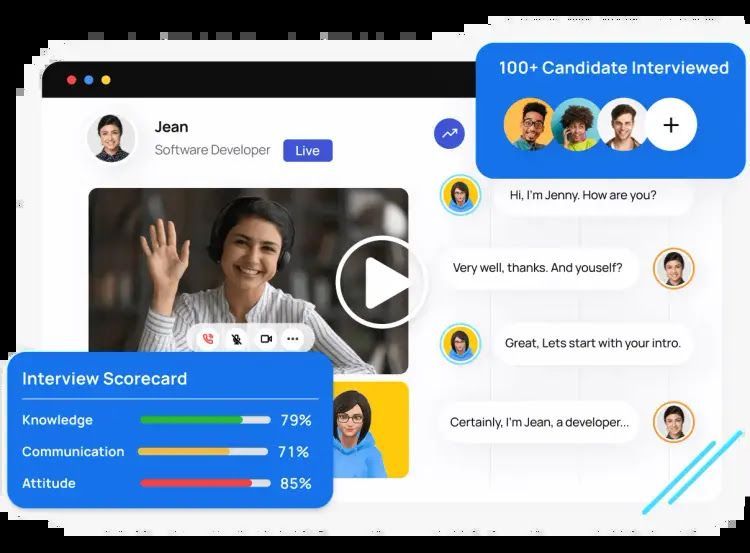
Hiring Technical Talent Is Hard Why Getting It Right Is Even Harder Hiring technical talent has always been challenging, but in today’s market, finding the right talent is significantly harder. As outlined in your material, the complexity is no longer just about sourcing candidates — it is about accurately assessing real-world capability before they even reach the interview stage. At Firesoft People, this is where the approach has evolved. Traditional recruitment methods often rely on CV screening, keyword matching, and surface-level assessments. While these can help filter candidates, they rarely provide a true reflection of how someone performs in real-world technical environments. The result is a hiring process filled with uncertainty — strong candidates can be missed, while others progress despite lacking practical capability. To address this, the recruitment process is shifting toward AI-driven technical screening. This allows for a more objective and structured way of evaluating candidates, focusing on how they actually think, solve problems, and apply their skills in real scenarios. Rather than relying on generic tests or assumptions, this approach mirrors how technical professionals operate day-to-day, providing a far more accurate view of their ability. The impact of this shift is significant. Organisations benefit from higher technical accuracy in candidate selection, reducing the risk of hiring mismatches. False positives — candidates who appear strong on paper but underperform in practice — are minimised. At the same time, interview processes become more efficient, with less time wasted on unsuitable candidates and more focus placed on high-quality talent. Ultimately, this leads to stronger, more reliable shortlists that hiring managers can trust. The Real Questions Shaping Hiring in the Age of AI As AI becomes more embedded in both work and recruitment, it is also raising important questions about how hiring should evolve. The conversation is no longer just about tools — it is about philosophy, fairness, and what we are truly trying to assess in candidates. For example, should candidates be allowed to use AI during interviews if they are transparent about it? In a world where AI is part of everyday work, restricting its use in hiring may not reflect real-world conditions. At the same time, it raises concerns about authenticity and individual capability. Another critical question is whether companies should be assessing thinking or outputs. AI can generate outputs quickly, but understanding how a candidate thinks, approaches problems, and makes decisions remains essential. This creates a need to rethink assessment methods, ensuring they capture both capability and reasoning. There is also the broader question of where AI should sit within the hiring process. Should it be limited to screening, or should it extend into interviews and decision-making? While AI has the potential to improve efficiency and consistency, over-reliance on it may introduce new risks, particularly around bias and fairness. The rise of AI-generated CVs further complicates the landscape. As candidates increasingly use AI to optimise applications, organisations must also evolve their screening methods to ensure authenticity. This creates a new dynamic — AI-assisted candidates being evaluated by AI-driven systems — which challenges traditional hiring assumptions. Finally, there is the question of bias. AI has the potential to reduce bias by standardising assessments, but it also has the potential to scale bias if not carefully designed and monitored. This makes it critical for organisations to balance automation with human judgment, ensuring fairness remains at the core of hiring decisions. From Process to Confidence: Better Hiring Decisions, Faster Ultimately, the goal of modern recruitment is not just speed — it is confidence. Hiring decisions carry significant impact, particularly in technical roles where capability directly affects performance, delivery, and business outcomes. By integrating structured, AI-driven assessment into the hiring process, organisations can move from uncertainty to clarity. Instead of relying on assumptions, they gain data-driven insights into candidate capability. This enables faster decision-making without compromising quality. For companies hiring across data, engineering, cloud, AI, and other complex technical domains, this shift is particularly valuable. These roles require a deeper level of evaluation, and traditional methods often fall short. A more advanced approach ensures that only candidates with proven, real-world capability progress through the process. The result is a more efficient hiring journey, stronger hires, and ultimately, better outcomes for both organisations and candidates. Hiring becomes less about guesswork and more about informed decision-making. Final Thought Hiring technical talent will likely always be challenging. The demand for skilled professionals continues to grow, while the complexity of roles continues to evolve. However, the way organisations approach hiring can make a significant difference. The future of recruitment is not about replacing human judgment, but enhancing it. By combining technology with thoughtful, structured assessment, companies can build stronger teams with greater confidence. Because in the end, hiring is not just about filling roles. It is about making the right decisions — faster, smarter, and with greater certainty.

Work Models, Flexibility & Expectations The Conversation Companies and Talent Can’t Avoid in 2026 Remote. Hybrid. Office. Three simple words — but in 2026, they represent one of the most complex and misunderstood challenges in the modern workplace. What used to be a logistical decision is now a strategic one. And for many organisations, it’s becoming clear: Work models are no longer just about where people work — they directly impact talent attraction, retention, performance, and culture. At Firesoft People, we’re seeing this conversation play out daily across clients and candidates. And one thing is consistent: There is no longer a one-size-fits-all answer — but there are clear patterns. The Shift: From Perk to Expectation Not long ago, remote work was seen as a benefit. A differentiator. A perk. Today, that has fundamentally changed. For many professionals, flexibility has moved from optional → expected. As highlighted in your data: 70–80% of professionals say flexibility influences whether they accept a role Roles offering remote or hybrid options receive 2–3× more applicants Over 50% of candidates would decline roles that remove remote work entirely But the most important shift is behavioural: Top candidates now ask about flexibility before salary. This is not a trend. It is a market reset. Flexibility Is No Longer About Preference — It Defines Your Talent Pool One of the biggest misconceptions we still see is this: “If we remove flexibility, candidates will adjust.” The reality? They don’t. They look elsewhere. As your slide highlights: Remove flexibility and you don’t reduce demand — you reduce your talent pool. This is especially true for: High-performing professionals In-demand technical talent Senior leadership roles These candidates have options. And flexibility is often the deciding factor. The Leadership Tension: Culture vs Autonomy For many organisations, the push to return to office is driven by one belief: “Culture lives in the office.” There is truth to this — but it’s only part of the story. Because on the other side: High performers value trust and autonomy Flexibility signals outcome-based leadership Forced presence can feel like a lack of trust This creates a tension that many businesses are currently navigating. As outlined in your content: Nearly 60% of employees would consider leaving if forced back full-time High performers are the most confident they can find new roles quickly Replacing skilled talent can cost 30–200% of salary The implication is clear: Rigid policies don’t just impact morale — they directly impact retention and cost. Hybrid Work: The Most Misunderstood Model If remote vs office was the first debate, hybrid is now the most confusing one. On paper, hybrid sounds simple. In reality, it often means completely different things across organisations. As highlighted in your data: 1 in 3 employees say their company’s hybrid policy is unclear Lack of clarity is a major driver of disengagement and attrition Teams with clear expectations report higher satisfaction Today, “hybrid” can mean: 1–2 anchor days in the office Team-based scheduling Office only for collaboration “Come in when needed” Or unofficially… almost full-time This inconsistency creates friction. And friction creates attrition. Clarity is no longer optional. Clarity is retention. Different Needs: Seniors vs Juniors Another critical layer in this conversation is career stage. Work model preferences are not universal. They vary significantly depending on experience and priorities. EryCaeer Professionals: Benefit from proximity and in-person learning Value mentorship, visibility, and structured environments More likely to prefer some level of office presence Senior Professionals: Prioritise flexibility, autonomy, and focus time Often balancing family, leadership responsibilities, and strategic work Less dependent on physical proximity for performance At the same time: Work-life balance is now one of the top decision factors across all levels. This creates a key challenge for organisations: How do you design a model that supports both development and flexibility? The Pay Question: Location vs Value As work becomes more flexible, compensation models are also evolving. One of the biggest unresolved debates in the market is: Should pay be based on location — or value? Many companies still adjust pay based on location But candidate resistance is growing A large share of professionals expect pay based on skills and impact, not postcode Transparent pay policies improve trust and retention This is still an evolving area. But one trend is clear: The market is shifting from geography-based pay → value-based pay. And organisations that move early toward transparency are gaining a competitive advantage. What This Means for Employers in 2026 The conversation around work models is no longer theoretical. It’s operational. It affects: Hiring success Employer brand Retention rates Productivity Culture The organisations that are succeeding are not those picking one model. They are those designing intentional models. That means: Clear, communicated expectations Flexibility aligned to role requirements Trust-based leadership Consistent policy application Alignment between hiring messaging and internal reality What This Means for Talent For candidates, the shift is equally significant. Work model is no longer a secondary factor. It is a core part of the value proposition. Professionals are increasingly evaluating roles based on: Flexibility and autonomy Work-life balance Leadership style and trust Clarity of expectations And importantly: Candidates are now more willing to walk away from roles that don’t align with these priorities. The Bigger Picture: A Market Still Finding Balance The truth is — the market hasn’t fully settled yet. Companies are still experimenting. Candidates are still recalibrating expectations. Leaders are still redefining what productivity looks like. This is not a temporary phase. It is a structural shift in how work is defined. Final Thought: The Future of Work Is Intentional The future of work is not: Fully remote. Fully office. Or even purely hybrid. It is intentional. Designed around: Outcomes, not presence Clarity, not assumptions Trust, not control Value, not location And the organisations that get this right? They won’t just attract talent. They’ll retain it, engage it, and outperform competitors because of it.

Hiring & Recruitment Reality Checks What Companies and Candidates Need to Rethink in 2026 The hiring market in 2026 isn’t broken — but it is misunderstood. Many organisations still believe there is a shortage of talent, while candidates feel there is a shortage of the right opportunities. In reality, the gap sits somewhere in the middle. At Firesoft People, what we’re seeing across clients and candidates is clear: hiring today is less about availability and more about alignment. One of the biggest disconnects in today’s workforce is around how work should actually be done. According to your data, 55% of employees prefer working remotely at least three days a week, while 68% of executives believe employees should be in the office at least three days to maintain culture . This difference in expectations is not just operational — it directly impacts hiring. Candidates are now choosing roles based on flexibility, while many companies are still hiring based on traditional presence and structure. Until these expectations align, hiring will continue to feel more difficult than it needs to be. Another key challenge is that while companies have upgraded their tools and processes, their mindset hasn’t always evolved at the same pace. As highlighted in your content, mindset is harder to change than systems . Many organisations still rely on outdated ways of assessing talent, focusing heavily on perfect matches, rigid experience requirements, and traditional hiring signals. This often leads to strong candidates being overlooked, not because they lack capability, but because they don’t tick every box. The screening interview remains one of the most important stages in the hiring process, yet it is often undervalued. Candidates are still expected to clearly explain their experience, articulate their value, and answer standard questions like “tell me about yourself” or “why are you interested in this role” . However, the reality is that screening is no longer just about qualification — it is about positioning. The best candidates know how to communicate impact, and the best companies use this stage not just to assess, but to engage and attract talent. At the same time, many traditional hiring practices are being questioned. Cover letters, for example, are becoming less influential and are often seen as outdated or easily replicated. CVs are also evolving, with more candidates relying on LinkedIn profiles, portfolios, and real work outputs instead of static documents. Hiring managers are also beginning to reflect on whether they are filtering too strictly and missing strong candidates who don’t perfectly match job descriptions. Even the idea of “culture fit” is being challenged, as it can sometimes limit diversity and reinforce bias rather than add real value. There is also a growing need for recruiters and hiring managers to push back on unrealistic expectations. Job descriptions today are often overloaded with requirements, combining multiple roles into one while offering compensation that doesn’t match. This creates confusion in the market and slows down hiring. Similarly, companies can sometimes overvalue candidates from well-known brands while overlooking individuals with strong experience from smaller or less visible organisations. Certifications still hold value, but only when they are supported by real, applied experience. Perhaps the most important question in today’s hiring market is whether there is truly a shortage of candidates, or simply a shortage of the right offers. Many roles remain open not because talent doesn’t exist, but because there is a mismatch in salary, flexibility, expectations, or hiring speed. From a candidate’s perspective, opportunities are available — but not always aligned with what they are looking for. From a company’s perspective, talent is out there — but not always meeting exact criteria. This creates the illusion of a shortage, when in reality it is an alignment issue. Ultimately, hiring today requires a shift in mindset. The most successful organisations are not those with the strictest requirements or the most traditional processes, but those that adapt. They focus on potential rather than perfection, align expectations with market reality, and create opportunities that genuinely attract talent. In 2026, candidates are no longer just looking for jobs — they are choosing where they want to grow. Companies that understand this will not only hire better, but will build stronger, more resilient teams. At Firesoft People, we believe the gap in hiring is not about talent — it is about alignment. And closing that gap is where real success happens.

Why Connection Matters More Than Ever Networking is a Leadership Skill In today’s fast-moving and highly connected world, leadership is no longer defined solely by expertise or experience. It is increasingly defined by the strength of the relationships you build and the ecosystems you create around you. As highlighted in your material, great leaders don’t just build strong teams — they build strong ecosystems that allow ideas, opportunities, and people to thrive together. Networking has evolved significantly. It is no longer a transactional activity driven by short-term gain or opportunistic interactions. Instead, it has become relational, strategic, and deeply embedded in how effective leaders operate. The ability to connect, collaborate, and support others is now one of the most underrated — yet most powerful — leadership skills in 2026. Leadership Is No Longer About What You Know Traditionally, leadership was measured by knowledge, expertise, and the ability to make decisions based on experience. While these qualities remain important, they are no longer sufficient on their own. The modern leader operates in an environment where change is constant, information is abundant, and no single person can know everything. Today, leadership is defined by who you can learn from, who you can collaborate with, and who you can support. Strong networks allow leaders to access new perspectives, stay informed about emerging trends, and continuously evolve their thinking. This shift from individual knowledge to collective intelligence is what separates good leaders from truly effective ones. Reframing Networking: From Contacts to Communities One of the biggest misconceptions about networking is that it is about collecting contacts. In reality, that approach is outdated and ineffective. Networking today is not about handing out business cards, pitching yourself to everyone you meet, or adding connections on LinkedIn without ever engaging again. Instead, networking has shifted toward building meaningful communities. The most effective leaders intentionally connect across industries, roles, and seniority levels — not just within their immediate circles or comfort zones. By doing this, they gain exposure to diverse ideas, uncover opportunities earlier, and build adaptability into their leadership approach. At its core, modern networking is about building trust over time. It is about exchanging ideas, not just opportunities, and creating relationships rooted in mutual growth. Leaders who embrace this mindset move beyond surface-level connections and develop networks that genuinely add value to their work and decision-making. Why Networking Makes You a Better Leader Strong networks act as a multiplier for leadership effectiveness. Leaders who invest in building and maintaining meaningful connections are able to “see around corners” — they hear about changes, challenges, and opportunities before they become widely visible. This gives them a strategic advantage in decision-making. In addition, diverse networks provide access to a wide range of perspectives. Instead of relying solely on internal viewpoints, leaders can draw insights from different industries, roles, and experiences, leading to more informed and balanced decisions. This diversity of thought is critical in navigating complexity and uncertainty. Networking also builds resilience. Leaders who are connected are less dependent on a single team, market, or idea. They have access to broader support systems, enabling them to adapt more quickly when circumstances change. Beyond this, strong leaders use their networks not just for personal gain, but to create opportunities for others — opening doors, making introductions, and helping people grow. True influence, as your content highlights, does not come from title or position. It comes from the value you create for others. The most powerful form of networking is rooted in generosity — sharing insights, mentoring others, and helping without expecting immediate returns. Over time, this builds trust, and trust compounds into long-term influence. Turning Networking Into Leadership in Action While networking is often discussed at a strategic level, it is ultimately built through simple, consistent actions. One of the most effective practices leaders can adopt is to intentionally create time for meaningful conversations outside their immediate circle. A practical approach is to dedicate just one hour each month to reconnect with someone new or someone you haven’t spoken to in a while. The goal is not to sell or pitch, but to listen. Asking questions such as “What’s changing in your world right now?”, “What are you learning?”, or “What challenges are you seeing?” can open up valuable insights and perspectives. These conversations often lead to unexpected outcomes. A single honest discussion can shift your thinking, spark a new idea, or open a door you didn’t even know existed. Over time, these small actions compound into a strong and valuable network. This is where the true distinction lies. Networking is not just an activity — it is a leadership practice. When done with intention, authenticity, and consistency, it becomes a powerful driver of growth, influence, and long-term success. Final Thought In 2026, the most effective leaders are not the ones with the most connections, but the ones with the most meaningful relationships. They understand that leadership is not built in isolation, but through collaboration, trust, and shared growth. Because in the end, networking is not about expanding your contact list. It is about expanding your perspective, your impact, and your ability to lead. And that is what makes connection matter more than ever.

Technology Leadership in 2026 What Future-Ready Leaders Do Differently Technology continues to accelerate at an unprecedented pace. AI, automation, data platforms, and digital ecosystems are evolving almost daily, reshaping how organisations operate and compete. But in 2026, the biggest differentiator is no longer the technology itself. It is how leaders enable their people to grow alongside it. The most effective organisations are not simply those with the most advanced tech stacks. They are the ones with leaders who understand that technology without people capability is limited. Future-ready leadership is no longer about just driving systems forward — it is about building teams that can continuously adapt, learn, and evolve in parallel with change. Leadership Has Shifted In the past, technology leadership was often defined by execution. Delivering projects faster, scaling systems efficiently, and managing output were considered the core responsibilities of leaders. While these still matter, they are no longer enough in today’s environment. Leadership in 2026 has shifted toward a more human-centric approach. Future-ready leaders understand that technology is only as strong as the teams behind it. They don’t just manage outputs — they design environments where learning, trust, and adaptability can thrive. This means creating a culture where teams feel empowered to grow, experiment, and contribute beyond their immediate responsibilities. Modern leadership now sits at the intersection of technical clarity and human insight. It requires not only understanding systems and architecture, but also understanding people — their motivations, their growth paths, and how they perform at their best. People Roadmaps Matter as Much as Tech Roadmaps One of the most important shifts we are seeing is the rise of the “people roadmap.” Traditionally, leaders focused heavily on technical roadmaps — planning architecture, selecting tools, and defining delivery timelines. While this remains critical, it is no longer sufficient on its own. Today’s most effective leaders run two roadmaps in parallel: a technical roadmap and a people roadmap. The technical roadmap focuses on systems, platforms, and capabilities, while the people roadmap focuses on skills, career development, and capability depth within the team. This shift requires leaders to think ahead, not just about technology, but about talent. Questions such as “What skills will this team need in 12 to 24 months?” or “Who needs mentoring or stretch opportunities today?” are becoming central to leadership strategy. Growth is no longer something that happens naturally over time — it is intentional and designed. Organisations that invest in people development alongside technical growth are better positioned to adapt, scale, and retain talent in a rapidly changing environment. Hiring for Adaptability, Not Just Skill In 2026, talent is no longer static. Roles are evolving faster than ever, and the skills required today may not be the same in a year’s time. This has fundamentally changed how organisations approach hiring. Future-ready leaders are shifting their focus away from purely technical capability and toward adaptability. They are hiring for curiosity, learning speed, and mindset — qualities that enable individuals to grow with the role rather than outgrow it. Cultural contribution is also becoming just as important as technical expertise, as teams increasingly rely on collaboration and diverse perspectives. The key question in hiring has changed. It is no longer just “Can this person do the job today?” but rather “Can this person evolve with the role tomorrow?” This shift allows organisations to build teams that are resilient, flexible, and capable of continuous re-skilling, rather than teams that become outdated as technology changes. Inclusion, Trust, and Psychological Safety High-performing technology teams are not just defined by intelligence or technical capability — they are defined by how safe people feel within them. In 2026, psychological safety has become a critical foundation for performance. Strong leaders actively encourage questioning, challenge, and open dialogue. They normalise experimentation and accept that failure is part of the learning process. They also create space for diverse voices and perspectives, recognising that innovation thrives when people feel comfortable sharing ideas without fear of judgment. Innovation happens faster in environments where individuals are not afraid to speak up. Trust is no longer a “nice to have” — it is infrastructure. Without it, teams become risk-averse, communication breaks down, and progress slows. With it, organisations unlock creativity, speed, and stronger collaboration across teams. Practical Action for Leaders While many of these concepts may seem strategic, they are built through simple, consistent actions. One of the most effective practices emerging in 2026 is the concept of “learning loops.” Learning loops are regular, structured opportunities for teams to share knowledge and learn from each other. These can take the form of monthly or fortnightly sessions where individuals across different functions — engineers, analysts, product teams, and creatives — exchange insights and experiences. The goal is not formal training, but continuous, informal learning that builds collective capability. This approach reinforces a culture of curiosity and shared growth. It breaks down silos, encourages collaboration, and helps teams stay ahead of change. More importantly, it strengthens engagement and retention, as individuals feel they are continuously developing and contributing. Curiosity fuels innovation, and innovation fuels retention. Leaders who embed learning into their teams create environments where both individuals and organisations can thrive. Final Thought Technology leadership in 2026 is no longer defined by systems alone. It is defined by how effectively leaders balance technical direction with human development. The most successful leaders are not just those who deliver faster or scale bigger systems. They are the ones who build teams that can evolve, adapt, and grow continuously in a world of constant change. Because in the end, technology will keep advancing. But it is people — enabled by the right leadership — who determine how far organisations can truly go.