
The Future of Recruitment : Is a Skills-Based Strategy the Path to Success?
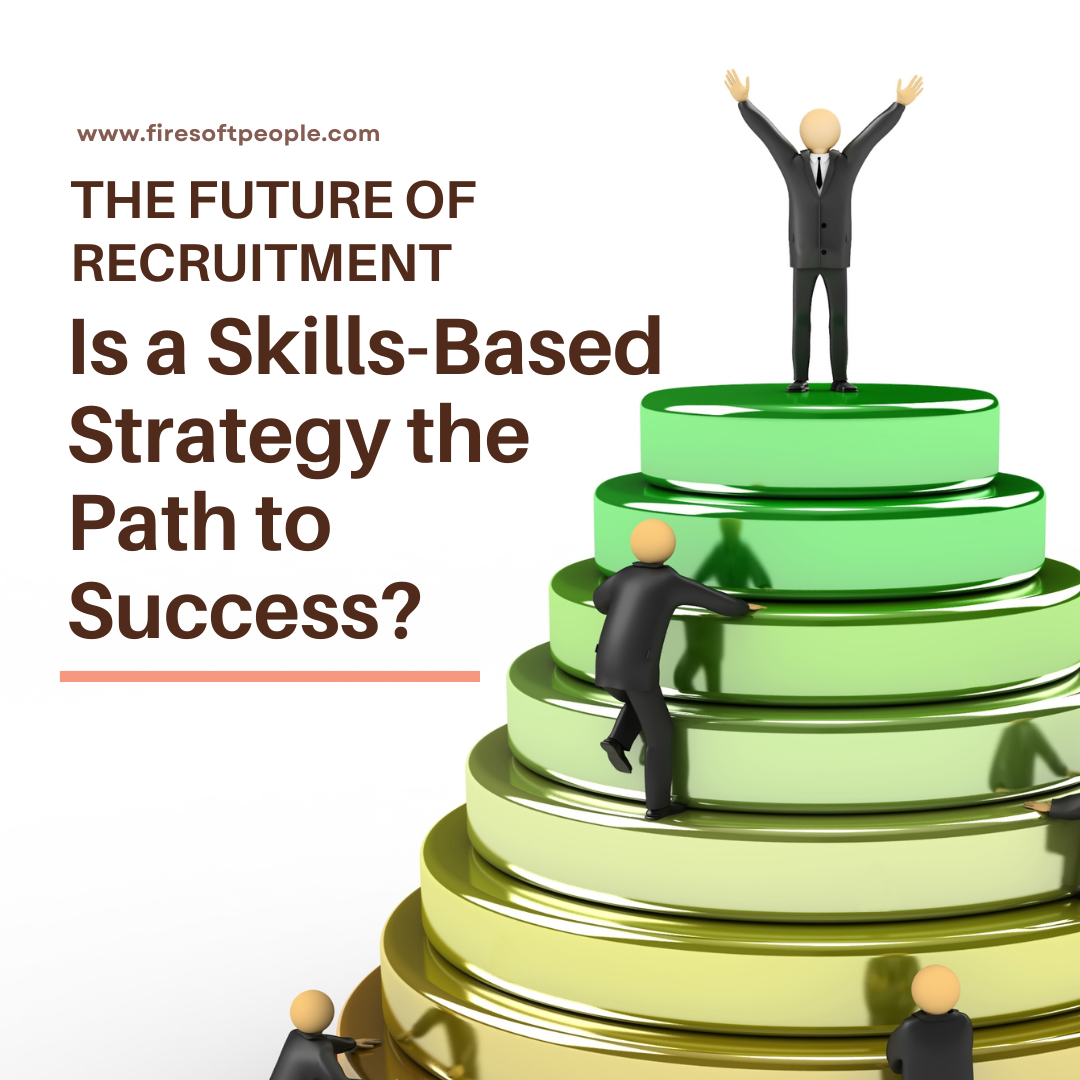
The Future of Recruitment : Is a Skills-Based Strategy the Path to Success?
The recruitment landscape is undergoing a significant transformation. As industries evolve and the demand for talent continues to outpace supply, organisations across Australia are being forced to rethink how they hire. Traditional hiring models — heavily reliant on degrees, job titles, and years of experience — are no longer enough to meet the needs of a fast-changing workforce. Talent leaders are increasingly shifting their focus toward upskilling and reskilling, with three out of four organisations prioritising these approaches over relying solely on formal qualifications. This signals a major shift in how businesses view talent — moving from static credentials to dynamic capability.
The Shift Toward Skills Over Credentials
While formal qualifications and work history still hold value, they are not always reliable indicators of future performance. Traditional metrics often fail to capture a candidate’s true potential. Skills-based hiring offers a more comprehensive approach by focusing on what candidates can actually do, rather than just what they have done. It evaluates competencies, adaptability, and problem-solving ability — all of which are critical in today’s work environment.
This shift allows organisations to identify talent that may have been overlooked in the past, particularly individuals who have developed skills through non-traditional pathways such as self-learning, vocational training, or hands-on experience.
Access to a Broader and More Diverse Talent Pool
One of the most significant advantages of skills-based hiring is its ability to expand the talent pool. As illustrated on page 4 of your material, this approach opens doors to candidates who may not hold formal qualifications but possess the necessary skills to succeed.
By removing rigid requirements, organisations can access a more diverse range of candidates, including those from underrepresented backgrounds. This not only improves inclusivity but also enhances innovation by bringing in different perspectives and experiences.
Additionally, focusing on skills helps challenge unconscious bias in hiring decisions. Instead of relying on traditional criteria, employers are encouraged to evaluate candidates based on their actual capabilities, creating a more equitable hiring process.
Driving Efficiency and Better Business Outcomes
Skills-based hiring is not just beneficial for candidates — it also delivers strong business advantages. Aligning employees with roles that match their skill sets leads to higher job satisfaction, improved retention, and better overall performance. When individuals are placed in positions that suit their abilities, they are more likely to excel, reducing the need for extensive training and onboarding. This can significantly lower costs and improve efficiency for organisations.
Furthermore, a skills-focused workforce is inherently more agile. Employees who are hired based on their capabilities are better equipped to adapt to new challenges, making organisations more resilient in the face of change.
The Importance of Balance
Despite the growing popularity of skills-based hiring, it is important to recognise that it is not a complete replacement for traditional methods. The most effective approach is one that balances both skills and experience. Certain roles, particularly those in highly specialised or regulated industries, still require formal qualifications and proven expertise. Ignoring these requirements can lead to gaps in knowledge and performance. The key is to combine both perspectives — valuing practical skills while recognising the importance of experience and credentials where they matter most. This balanced approach ensures that organisations can build teams that are both capable and credible.
The Role of HR in Shaping the Future
Another critical insight from your content is the growing role of HR in driving workforce transformation. Research shows that 84% of leaders believe HR should take the lead in upskilling employees to meet future workforce demands. This places HR at the centre of organisational strategy. Beyond recruitment, HR teams are now responsible for developing talent, identifying skill gaps, and creating pathways for continuous learning. By embracing this responsibility, organisations can ensure that their workforce remains relevant and competitive in an ever-changing environment.
The Bigger Picture: Building Resilient Workforces
Skills-based hiring is not just about improving recruitment — it is about building stronger, more adaptable organisations. By focusing on capability, potential, and continuous development, businesses can create workforces that are better prepared for the future.
This approach also aligns with broader trends in the workforce, where employees are increasingly seeking opportunities to learn, grow, and evolve. Organisations that support this mindset will not only attract top talent but also retain it.
Other suggested reads for you